
Humaria
Humaria
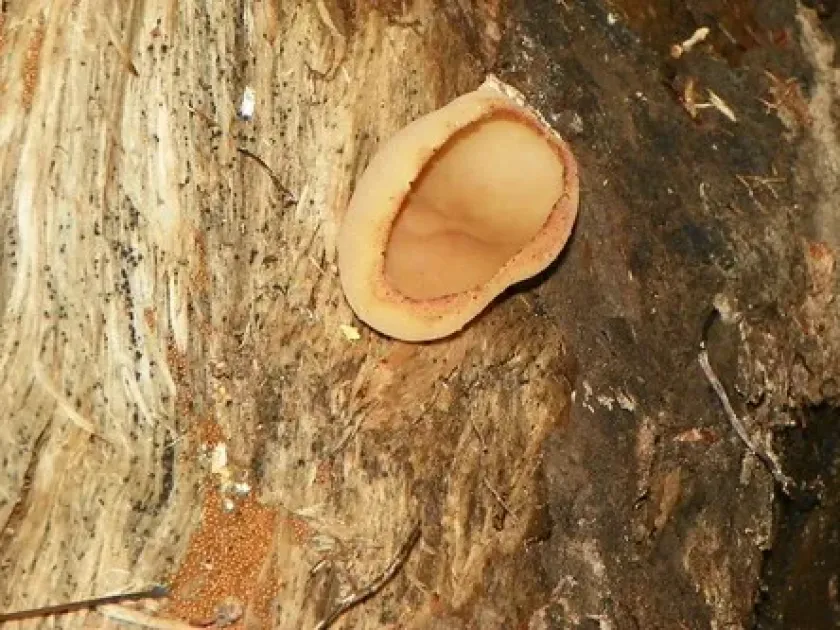
Description
Symptoms
The primary symptom is the emergence of distinctive cup-like fungal fruiting bodies on the soil surface around the base of the plant stem.
Infected plants exhibit stunted growth and a general loss of vigor, as the root system fails to function efficiently due to fungal colonization.
The tissues near the root collar often turn soft and water-soaked, eventually leading to the collapse of young seedlings or ornamental plants.
The presence of a white or grayish mycelial mat surrounding the stem base is a frequent indicator of severe local infestation.
In cases of advanced infection, the plant may show signs of yellowing leaves and reduced water uptake, leading to permanent wilting.
Pathogen
The genus Humaria belongs to the class Ascomycota within the Pyronemataceae family. These are primarily saprotrophic fungi that inhabit soils rich in organic matter.
Under specific environmental conditions, these fungi can exhibit facultative parasitic behavior, affecting the weakened tissues of plants.
The mycelium thrives in organic debris, and the fungi reproduce by producing bright orange or brown, cup-shaped apothecia on the soil surface.
The spores of Humaria are highly resistant to adverse environmental conditions and can persist in the soil for extended periods until moisture levels are favorable.
As a soil-borne fungus, its presence is most significant in greenhouse environments or field soils with high concentrations of non-decomposed organic material.
Conditions for development
High soil moisture and poor drainage are the most critical factors driving the rapid development and spread of Humaria fungi.
The pathogen thrives in substrates with a high amount of raw organic matter, such as inadequately composted manure or peat-based mixes.
Optimal temperatures for development range from 18 to 25 degrees Celsius, matching the environmental conditions found in typical greenhouse settings.
Poor ventilation and overcrowded planting density create a stagnant microclimate that is highly conducive to fungal sporulation and colonization.
The pH level of the soil also plays a role, with slightly acidic to neutral soils often providing the best conditions for the fungus to establish.
Why it matters
The primary damage caused by Humaria involves the competition for nutrients and the structural breakdown of root hairs in seedlings.
The fungi act as a stress factor, leaving the host plant significantly more susceptible to secondary bacterial pathogens and root rots.
In commercial crop production, Humaria can cause significant losses by compromising the health of nursery stock and decreasing overall yield.
The physical presence of the fungus creates a barrier to oxygen exchange in the soil, which leads to root hypoxia and decreased plant vitality.
Once established in a growing medium, the pathogen is difficult to eradicate without complete replacement or extensive sterilization of the substrate.
Protection
Strict management of soil quality and the use of sterilized growing media are the most effective preventive measures against this fungus.
Ensuring proper greenhouse ventilation and implementing precise irrigation schedules are essential to prevent excessive humidity at the soil surface.
When the fungus is detected, the application of specialized soil fungicides can help suppress its growth and limit further spread.
The introduction of beneficial fungi, such as Trichoderma species, into the soil can successfully antagonize Humaria and protect the root zone.
- Remove and destroy all infected plant material promptly.
- Avoid over-watering and maintain good soil aeration.
- Rotate crops to prevent the buildup of soil-borne fungal inoculum.
Discussion
No discussions yet — be the first.