
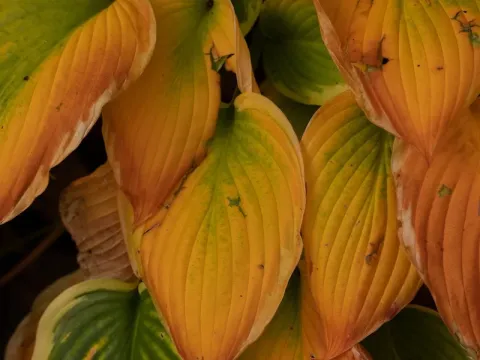
Hosta Fusarium wilt
Fusarium hostae
The causative agent of Hosta Fusarium wilt is the soil-borne fungus Fusarium oxysporum, which is a common and highly destructive pathogen in ornamental gardens.
What the section contains
Hosta Fusarium wilt
This fungus survives in the soil for many years as hardy structures called chlamydospores, making it difficult to eradicate once a specific location is infested.
The pathogen infects the plant primarily through the root system, entering the vascular tissues and effectively blocking the transport of water and nutrients to the leaves.
As a vascular wilt and crown rot pathogen, it produces specialized toxins that poison the host plant, leading to systemic physiological collapse.
The fungus is highly specialized to the host's environment, often exploiting weak or stressed plants, though it can also infect seemingly healthy specimens under favorable conditions.
Early symptoms typically include marginal yellowing or chlorosis of the foliage, which often looks like simple dehydration but fails to improve with watering.
As the disease advances, the leaves lose their turgor pressure, wilt, and eventually turn brown or necrotic, leading to the total collapse of the leaf canopy.
A diagnostic sign involves checking the root crown; infected tissues usually show dark brown to black decay, and the roots may become soft and brittle.
Under humid conditions, one may observe a white, cottony mycelial growth or even a faint pinkish spore mass at the base of the crown or on the crown surface.
- Progressive yellowing of leaf margins.
- Persistent wilting despite adequate moisture.
- Decay and softening of the root crown.
- Presence of mycelium at the base of the plant.
- Easy detachment of the crown from the root system.
The development of the disease is highly correlated with warm soil temperatures, generally between 20°C and 28°C, which are optimal for fungal metabolism.
Excessive moisture or poor drainage in the planting site creates a stagnant environment that significantly promotes the spread and infection rate of Fusarium.
High soil acidity and lack of proper aeration are known to weaken the host's innate defense mechanisms, leaving it vulnerable to root-colonizing pathogens.
Planting in sites previously occupied by diseased plants without soil treatment often leads to recurring outbreaks due to the longevity of the fungus in the soil.
Mechanical injury to the root system, whether from pests or poor cultivation practices, provides the necessary entry points for the fungal spores.
Hosta Fusarium wilt is a devastating disease because it usually kills the entire plant, starting from the roots and spreading to the crown.
Because the pathogen can persist in the soil for years, it severely limits the options for future planting in the affected garden area.
The disease is highly contagious within a garden setting, as spores are easily spread via contaminated tools, water splashes, or infested planting material.
It poses a major threat to specialized hosta collections, as once the fungus is established, it can wipe out sensitive cultivars within a single season.
Management is often costly and time-consuming, requiring total removal of soil or systemic chemical intervention, which may not always be effective at late stages.
The most important control strategy is strict sanitation: carefully digging up and discarding infected plants and the surrounding soil to prevent spreading.
Utilizing clean, disease-free nursery stock and treating roots with systemic fungicides containing thiophanate-methyl or similar active ingredients is a critical preventive measure.
Improving site drainage and soil aeration is essential to creating an environment that is unfavorable for fungal growth and favorable for the plant's recovery.
Integrating beneficial soil microbes, such as Trichoderma species, can help create a suppressive soil environment that inhibits the proliferation of Fusarium.
Regular disinfection of gardening tools with appropriate sanitizers (like hydrogen peroxide or alcohol) is mandatory after working with suspicious or diseased plants.