
Cylindriosis
Cylindrium elongatum
The causative agent of this disease is the imperfect fungus Cylindrium elongatum. It belongs to the Hyphomycetes group and is known for infecting the vegetative organs of various agricultural crops.
What the section contains
Cylindriosis
The fungal mycelium penetrates plant tissues through stomata or mechanical damage. During its life cycle, the pathogen forms specific conidiophores that rupture the epidermis, allowing spores to spread to healthy plants.
The pathogen survives primarily in crop residues and soil, where it can persist as mycelium or sclerotia for long periods. Its biological versatility ensures survival even under fluctuating environmental conditions.
Conidia are disseminated mainly by raindrops, wind gusts, and human activity in fields. Rapid secondary infection cycles allow the disease to cover large areas within a short timeframe if environmental factors are favorable.
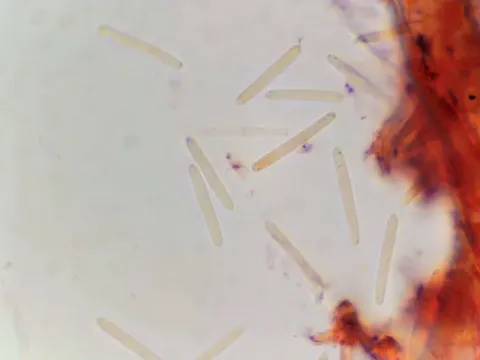
Identification typically requires laboratory confirmation. Under a microscope, one can observe the characteristic elongated, colorless conidia arranged in clusters, which distinguishes this pathogen from other similar fungal infections.
The primary symptoms of cylindriosis appear as small, light-colored spots on leaves and stems. As the infection progresses, these spots expand and may merge, eventually leading to large necrotic areas on the leaf surface.
A distinctive sign of the disease is the development of a whitish, loose fungal bloom on the affected areas. This coating consists of masses of conidia and is easily disturbed by wind or rain.
As the infection deepens, affected tissues lose their green color and become brittle, often leading to premature leaf shedding. Stems may show signs of constriction, which hinders the transport of water and nutrients.
If the infection reaches the fruit or seeds, it can cause decay and poor quality of the yield. Infected plants often show significant stunting and poor development compared to their healthy neighbors in the field.
In later stages, the necrosis becomes more pronounced, and the plant's overall vitality decreases sharply. The lack of proper photosynthesis causes the plant to enter a state of severe physiological stress.
Cylindriosis thrives in environments with high humidity, specifically during prolonged rainfall or periods of heavy fog. A moisture layer on the leaves is essential for spore germination and infection.
The optimal temperature range for the development of Cylindrium elongatum is between 18 and 24 degrees Celsius. Temperatures outside this range significantly slow down the fungal growth rate.
Dense crop stands create a poor microclimate with low airflow, which traps moisture near the soil and plant base. This stagnation of air creates perfect conditions for the pathogen to thrive and spread rapidly.
Lack of crop rotation is a major risk factor, as the pathogen accumulates in the soil over consecutive seasons. Crop residues left in the field serve as the primary source of initial inoculum for the following year.
Poor field management, including heavy weed infestation, provides a protected microenvironment for the fungus. Weeds can serve as alternative hosts, helping the pathogen persist when the main crop is absent.
The main economic harm caused by cylindriosis is the significant reduction in leaf area, which severely limits the plant's photosynthetic capability. This leads to lower biomass production and decreased crop yields.
When the vascular system is affected, the supply of nutrients to seeds and fruits is compromised. This results in smaller, lower-quality yields that may not meet commercial grade requirements or processing standards.
Infected crops are highly prone to post-harvest decay, causing significant losses during transport and storage. The shelf life of products is drastically reduced due to secondary infections following the initial fungal damage.
The cost of farming increases due to the need for chemical treatments and additional labor for disease management. If left unchecked, the damage can lead to total crop failure in highly susceptible fields.
The weakening of the plant's immune system makes it more vulnerable to secondary pests and other pathogens. This often leads to a complex health decline in the field that is difficult and costly to reverse.
The most effective strategy for managing cylindriosis is strict adherence to crop rotation, keeping susceptible crops away from the same field for at least 3-4 years. This effectively starves the pathogen.
Deep plowing of crop residues immediately after harvest is essential. Burying the debris accelerates the decomposition process and removes the habitat where the fungus spends the winter.
Chemical control using systemic fungicides is recommended as soon as the first symptoms appear. It is crucial to rotate chemical modes of action to prevent the fungus from developing resistance.
Balanced fertilization, particularly the use of potassium and phosphorus, improves the plant's natural resistance to fungal entry. Avoiding excessive nitrogen helps keep tissues sturdy and less susceptible to infection.
Maintaining proper plant density ensures good aeration, which helps keep the foliage dry. Early weed management and the use of resistant crop varieties are also vital components of a comprehensive integrated pest management program.