
Cylindriosis
Cylindrium
Cylindriosis is caused by fungi belonging to the genus Cylindrium, which are members of the group of imperfect fungi (Hyphomycetes). These pathogens primarily affect plant tissues by colonizing them and causing necrotrophic damage.
What the section contains
Cylindriosis
The life cycle of the pathogen involves the production of conidia—asexual spores—that are responsible for the spread of the infection during the growing season. These spores develop on specialized structures on the surface of the infected plant parts.
The fungus survives the winter period within crop debris, soil, or as persistent mycelium on perennial hosts. When environmental conditions turn favorable, it resumes activity and begins the primary infection process.
Scientific observation shows that these fungi often take advantage of weakened plant immune systems, though they can act as primary pathogens under high-moisture stress environments.
Biological monitoring is essential to distinguish Cylindrium-related outbreaks from other similar fungal infections, as the morphological characteristics of the conidiophores are specific to the genus.
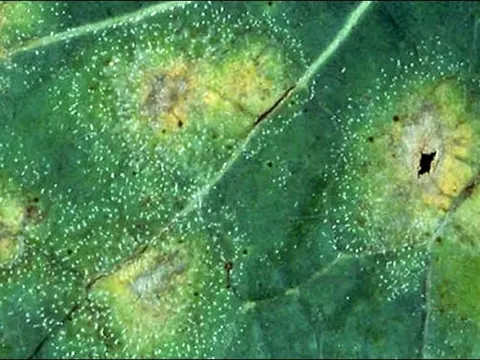
The initial signs of cylindriosis include the appearance of small, localized spots on leaves, which typically transition from light green to tan or dark brown as they mature and necrosis sets in.
A distinctive feature of this disease is the development of a white or grayish powdery layer on the underside of the leaves. This is composed of dense masses of fungal spores visible during periods of high humidity.
As the infection spreads, the spots often merge, leading to the rapid chlorosis and eventual necrosis of the leaf blade. Severely infected leaves may wither, curl, and drop prematurely, causing significant defoliation.
Stems can also be affected, developing elongated, sunken lesions. If these lesions encircle the stem, they can impede the transport of water and nutrients, leading to the wilting and eventual death of upper plant parts.
The disease progression is often marked by a distinct zonality within the spots, reflecting the rhythmic development of the fungal mycelium in response to daily temperature and humidity cycles.
Cylindriosis development is heavily favored by cool to moderate temperatures and high humidity levels. Excessive moisture, such as prolonged rain or heavy morning dew, creates an ideal environment for spore germination.
The optimal temperature for pathogen spread typically ranges between 18°C and 24°C (64°F–75°F). Within this range, the pathogen can complete its infection cycle quickly, leading to rapid spread within a field.
Poor air circulation in densely planted fields is a major contributing factor to outbreaks. When foliage remains wet for extended periods, the risk of fungal penetration through stomata or mechanical damage increases drastically.
Over-application of nitrogen fertilizers can exacerbate the situation by encouraging lush, succulent growth. Such plant tissue is more susceptible to fungal invasion because its cellular structure is less robust.
The presence of unburied crop residues is the primary driver of inoculum buildup. If field sanitation is poor, the fungus can easily carry over from one season to the next, posing a constant threat to new plantings.
The primary damage caused by cylindriosis is the reduction of the plant's photosynthetic capacity. By destroying leaf area, the disease limits the energy production needed for plant growth and fruit or grain development.
This leads to yield losses, characterized by smaller grain size, lower fruit weight, and poor quality of harvested products. Crops affected by this disease often exhibit reduced market value due to cosmetic damage.
Severe infestations can lead to stem breakage or lodging, which complicates mechanical harvesting and leads to secondary field losses. In extreme cases, complete failure of the affected plant organs occurs.
The disease acts as a stressor, making crops more vulnerable to opportunistic bacteria and other secondary fungi. This complex infection pattern can quickly spiral out of control if not managed properly.
Farmers face economic consequences not only from yield reduction but also from the increased operational costs of frequent fungicide applications and the management of field cleanup post-harvest.
Integrated crop rotation is the cornerstone of control. By alternating susceptible crops with non-host plants, farmers can effectively disrupt the pathogen’s life cycle and reduce the build-up of inoculum in the soil.
Thorough soil preparation and deep plowing after harvest help bury infected residues, accelerating their decay and significantly reducing the survival rate of the fungal spores for the next season.
Selecting resistant cultivars is the most sustainable strategy. Breeding programs focusing on genetic resistance provide an effective and environmentally friendly long-term solution to managing cylindriosis.
Chemical control involving systemic fungicides is effective when applied during the early stages of disease emergence. These products help to suppress fungal growth and protect new, healthy plant tissues.
Balanced fertilization, particularly ensuring adequate potassium and phosphorus levels, strengthens cell walls, making the plants more resilient and less prone to successful fungal penetration.