
Culicinomyces
Culicinomyces
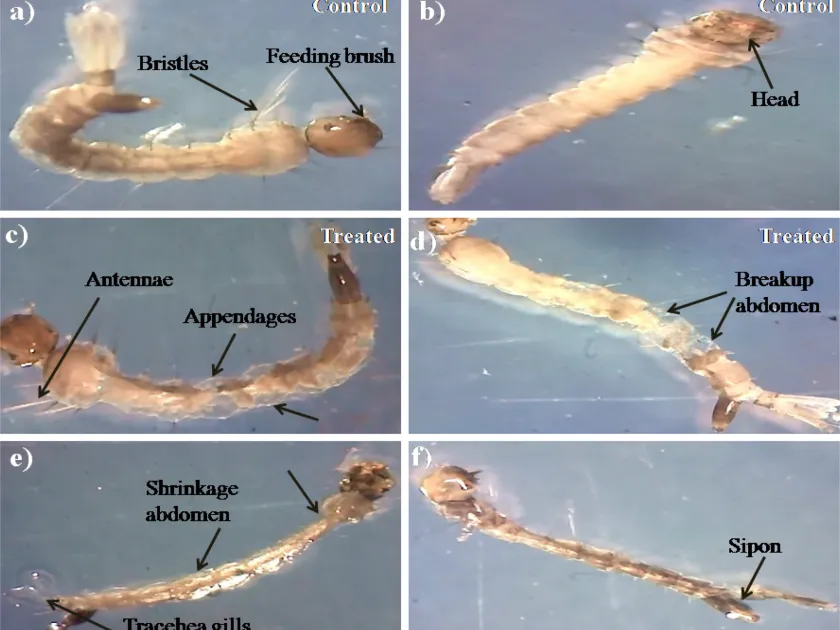
Description
Pathogen
Culicinomyces is a genus of anamorphic fungi in the order Hypocreales. In agriculture, it is not recognized as a plant disease but as a highly specialized entomopathogenic agent capable of infecting insect larvae.
The most prominent species, Culicinomyces clavisporus, is widely studied for its ability to target specific insect pests that inhabit aquatic or moist soil environments. Its biological efficacy is rooted in its parasitic nature.
The infection process begins when fungal conidia adhere to the insect's cuticle. Upon germination, the fungus secretes enzymes that weaken the exoskeleton, allowing hyphal penetration into the host's hemocoel.
Once inside, the fungus colonizes the host's body, utilizing its nutritional resources. This ultimately leads to the death of the insect, after which the fungus produces new spores to propagate the cycle.
As a biological tool, Culicinomyces is valued for its specific action against pests. Researchers are focusing on developing stable formulations for field use to reduce the need for synthetic chemical insecticides.
Conditions for development
The survival and virulence of Culicinomyces are heavily dependent on environmental humidity. An aquatic or water-saturated medium is essential for the germination of fungal spores.
The optimal temperature range for the development of the fungus is 15-25°C. Outside of these parameters, the fungal activity decreases significantly, which can reduce the effectiveness of the treatment.
Water quality, including the presence of chemical pollutants and heavy metals, can impact the growth rate of the mycelium. The presence of organic matter may also affect the persistence of the fungus in the environment.
Exposure to direct sunlight and ultraviolet radiation is detrimental to the spores. Consequently, field applications are best performed during cloudy weather or at dawn and dusk to protect the fungal inoculant.
The population density of target hosts significantly influences the transmission dynamics of the fungus. A higher concentration of insects facilitates faster horizontal transmission of the infection across a field.
Why it matters
Culicinomyces does not pose any threat to crops. It is not phytopathogenic, meaning it does not cause lesions, rot, or any other disease symptoms on plants or their harvested parts.
The agricultural benefits of using this fungus are primarily focused on pest reduction. By controlling larval populations, it prevents future damage to crops from emerging adult insects.
There is no record of toxicity to plants, livestock, or humans associated with the use of Culicinomyces. It represents a safe, environmentally friendly alternative to traditional hazardous chemicals.
The main risk involves potential ecological shifts if the biological agent affects non-target insect species. Therefore, careful selection of application sites is necessary to ensure ecological balance.
The use of this fungus minimizes soil contamination, preserving beneficial soil microorganisms and ensuring the long-term sustainability of the agricultural ecosystem.
Protection
Implementing a control program with Culicinomyces requires an integrated approach. The fungus should be applied as a biological insecticide during the peak activity of the pest larvae.
Effective application techniques include spraying contaminated stagnant water or incorporating granules into the upper layers of the soil to ensure the spores reach the habitat of the larvae.
Monitoring is crucial for determining the right timing for treatment. Assessing larval density helps in optimizing the dosage and ensuring maximum impact on the target pest population.
Preventive maintenance involves storing biological products at low temperatures to maintain the viability of the fungal spores until they are applied in the field.
Combining the application of this fungus with proper drainage management in fields can reduce the potential for pest outbreaks, creating an environment that is less favorable for insects but supportive of the bio-control agent.
Discussion
No discussions yet — be the first.