
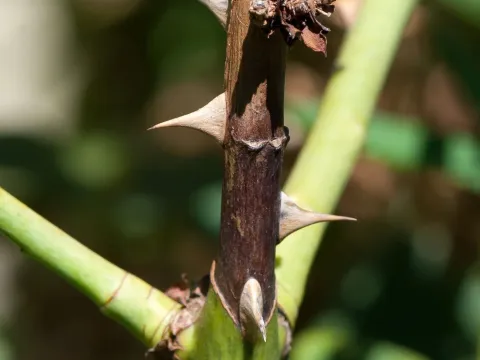
Cryptosporella blight
Cryptosporella
The disease is caused by ascomycetous fungi of the genus Cryptosporella. These pathogens specialize in infecting the bark and wood of woody plants, leading to necrotic lesions and canker development.
What the section contains
Cryptosporella blight
The fungus completes its life cycle by forming fruiting bodies (perithecia) within the infected host tissue. Spores are primarily disseminated by wind and water splash, facilitating the infection of healthy parts of the plant.
The pathogen is highly resilient, surviving in dead wood, plant debris, and damaged bark throughout the dormant season. As temperatures rise in spring, the fungus resumes its growth and infects new shoots.
The mycelium penetrates the cambium layer, disrupting nutrient and water transport within the tree. Over time, the fungus develops distinct fruiting structures on the surface of the necrotic bark.
Functioning as a facultative parasite, the fungus can also live saprotrophically, continuing to degrade weakened or dead organic matter while extending its reach into healthy living tissues.
Early symptoms appear as dark, water-soaked spots on young shoots and foliage, which gradually expand into brown or blackish necrotic lesions. The affected bark often sinks into the wood.
Tiny black pimple-like fruiting bodies (pycnidia or perithecia) can be observed on the surface of the dead bark. Frequently, these lesions cause the bark to crack, often accompanied by gum exudation.
Branches affected by the blight exhibit premature wilting and chlorosis of leaves. Although the leaves may turn brown and die, they often remain attached to the dying branch for an extended period.
Fruits infected by Cryptosporella show sunken, dark spots that spread rapidly, causing the flesh to decay. Infected fruits are often deformed and typically drop from the tree prematurely.
- Darkening and cracking of the bark.
- Presence of small black fruiting bodies on twigs.
- Dieback of branch tips and wilting.
- Deformed and rotting fruit.
- Localized necrotic tissue on the stem.
High humidity and moderate temperatures are the most critical factors for the development of this blight. Prolonged rainy weather and persistent fog significantly accelerate spore germination and dispersal.
Any existing wounds, such as those caused by frost, pruning, or insect activity, serve as entry points for the Cryptosporella fungus to penetrate the host's protective layers.
Poor orchard hygiene and overcrowded planting increase the risk of infection. Reduced air circulation prevents the canopy from drying out, creating a favorable microclimate for the pathogen.
The optimal temperature range for the pathogen's expansion is between 15 and 25 degrees Celsius. Within this range, mycelial growth is at its most aggressive level inside the host tissue.
Poor agricultural practices, such as inadequate fertilization or lack of proper pruning, weaken the trees' natural defense mechanisms, making them significantly more susceptible to blight attacks.
Cryptosporella blight causes severe economic damage by killing fruit buds and skeletal branches, leading to a substantial decrease in overall fruit yield and long-term orchard productivity.
Severe infections of the trunk or main limbs can result in the complete death of the tree if the lesions are not addressed. This often necessitates expensive tree removal and replacement.
The commercial quality of the fruit is severely compromised due to rotting and cosmetic defects, rendering the produce unsuitable for storage or fresh market sale.
Orchards face increased management costs due to the need for frequent fungicide applications and labor-intensive sanitation procedures to prune out infected wood.
The persistent presence of the pathogen in an orchard leads to overall plant stress, reducing the vigor of the entire plantation and requiring a long-term strategy for disease suppression.
The primary control method is strict orchard sanitation. Infected branches must be pruned promptly, with cuts made well into healthy tissue, and all debris must be removed and destroyed by burning.
To prevent re-infection, all pruning wounds should be treated with appropriate disinfectants, such as wound paints or fungicide-based pastes, to seal the exposed wood against spore entry.
Applying copper-based fungicides during the dormant season and throughout the growing season helps to reduce the fungal inoculum pressure and provides a protective barrier for young shoots.
Maintaining a balanced nutrient program, particularly with adequate potassium and phosphorus, strengthens plant cell walls and enhances the tree's natural resistance to fungal invasion.
Pruning the canopy to ensure adequate light penetration and air circulation is essential for minimizing humidity levels, thereby discouraging the development and spread of Cryptosporella spores.