
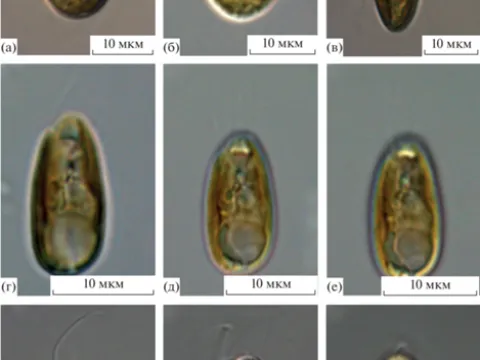
Cryptophyta
Cryptophyta
Cryptophyta are a group of unicellular flagellate organisms that can act as opportunistic pathogens within controlled-environment agriculture, particularly in hydroponics.
What the section contains
Cryptophyta
While not primary plant pathogens, their rapid proliferation can significantly alter the rhizosphere environment, negatively impacting crop physiology.
These organisms possess unique photosynthetic pigments, allowing them to utilize even low-intensity light for aggressive colonization of nutrient solutions.
The pathogen thrives in aqueous environments, often accumulating in irrigation pipes, reservoirs, and saturated growing media.
Their biological activity often disrupts the delicate chemical balance of the root zone, leading to physiological stress in host plants.
The most prominent sign of infestation is the appearance of a greenish, brownish, or slimy film on the surface of the nutrient solution.
Root systems may exhibit a slimy texture and a shift in color, often accompanied by a distinct, musty odor coming from the root environment.
Plants display symptoms of nutrient deficiency, such as yellowing of the lower foliage and loss of turgor pressure despite proper irrigation.
Microscopic analysis of the root zone reveals dense clusters of motile cells that impede the plant's ability to absorb water and nutrients.
- Slimy root surfaces;
- Yellowing of lower leaves;
- Musty odor from irrigation tanks;
- Stunted shoot development.
The primary driver for Cryptophyta growth is light exposure to nutrient reservoirs, which fuels their photosynthetic energy production.
High water temperatures and low oxygenation levels create an ideal, stagnant habitat for these algae to flourish.
The accumulation of organic debris in filtration systems provides an additional nutrient source, accelerating the spread of the infestation.
Insufficient sanitation protocols for equipment allow dormant cells to persist and re-colonize the system after every cycle.
Fluctuations in pH and nutrient concentration can also favor algae dominance over beneficial rhizosphere microbes.
Cryptophyta compete directly with crops for available mineral nutrients, depleting the solution faster than plants can uptake them.
The metabolic products released by the algae can be phytotoxic, causing necrosis or damage to the root hair cells.
By forming physical barriers on roots, they inhibit gas exchange, leading to hypoxia and potential root rot infection.
The overall reduction in nutrient uptake results in lower yields and significantly reduced plant vigor throughout the production phase.
In severe cases, the collapse of root function leads to total crop failure and the need for complete system sterilization.
The most effective strategy is the complete light-shielding of all nutrient reservoirs, pipes, and channels to inhibit algal photosynthesis.
Regular system sanitation using hydrogen peroxide solutions or specialized algaecides is necessary to eliminate established algal colonies.
The implementation of UV sterilization units within the irrigation loop effectively destroys Cryptophyta cells before they colonize roots.
Maintaining strict hygiene practices and preventing light leaks in hydroponic setups are essential for long-term prevention.
Regular monitoring of water quality and flushing systems can help manage algae levels and maintain optimal growing conditions.