
Cryptophyceae
Cryptophyceae
Cryptophyceae are a class of unicellular eukaryotic organisms that act as opportunistic flora in agricultural and hydroponic systems.
What the section contains
Cryptophyceae
These organisms are primary producers capable of rapid photosynthesis, which allows them to colonize substrates and irrigation lines effectively.
While they are not primary pathogens of plants, they interfere with the nutrient uptake and aeration of the root zone.
The biology of these algae involves complex chemical signaling that can alter the rhizosphere environment significantly.
In intensive cultivation, they act as a biological indicator of ecological imbalance within the growing system.
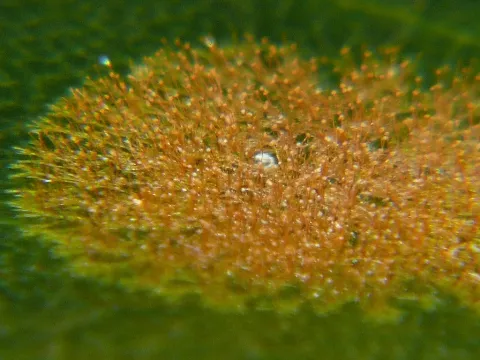
The most common symptom is the formation of green, olive, or brown biofilms on the surface of rockwool, perlite, or irrigation tubing.
A cloudy appearance of the nutrient solution, often accompanied by a distinct smell, indicates a high density of algal biomass.
Root systems may appear discolored, covered in a slimy substance, and demonstrate poor lateral root development.
Plants show signs of nutrient deficiency, such as chlorosis or necrosis, despite correct nutrient delivery protocols.
Wilting of plants during peak sunlight hours is a sign of root function impairment caused by the algal film.
High light intensity reaching nutrient solutions or irrigation channels is the primary driver for algal growth.
Excessive availability of nitrates and phosphates in the solution promotes uncontrolled expansion of algal populations.
Warm temperatures ranging from 20°C to 28°C create a rapid multiplication rate for these microorganisms.
Poor circulation and low oxygenation levels in the irrigation water support the growth of these aquatic organisms.
Neutral or slightly alkaline pH levels in the growing media can favor the dominance of these algae over beneficial microbes.
These algae compete directly with crops for mineral nutrients, leading to growth inhibition and reduced yields.
The production of allelopathic compounds creates chemical stress for the plant, damaging sensitive root tips.
Algal mats form a physical barrier, restricting oxygen transfer to the roots and leading to hypoxia.
Clogging of irrigation emitters and nozzles is a frequent operational issue caused by the presence of these organisms.
The organic matter produced by decaying algae provides a food source for pathogenic fungi and bacteria.
Blocking all light entry into nutrient tanks and irrigation systems is the most successful preventative strategy.
Regular sanitation of irrigation infrastructure using certified cleaning agents helps eliminate residual algal spores.
Adjusting nutrient concentrations and monitoring EC/pH levels prevents excessive enrichment that fuels algal growth.
Implementation of UV-C sterilization units in the water circuit effectively destroys algal cells and prevents their spread.
- Use of opaque irrigation lines
- Consistent monitoring of water quality
- Regular disinfection of growing containers