
Corynelia portoricensis
Corynelia portoricensis
Description
Symptoms
The most visible symptoms are dark, localized spots or small, raised structures appearing on the surface of the leaves.
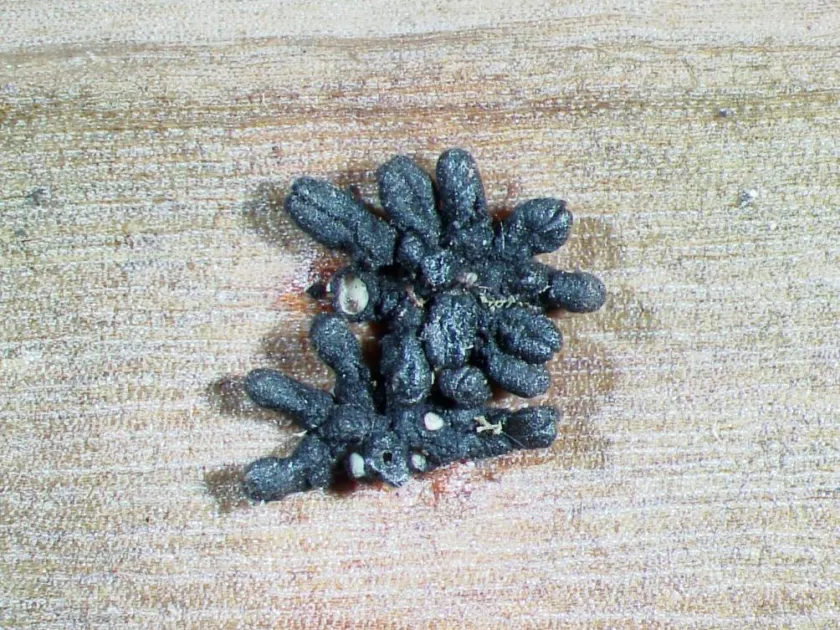
These black, warty-looking ascostromata are a diagnostic indicator of Corynelia portoricensis presence on the foliage.
Chlorotic halos often develop around the infection sites as the plant responds to the metabolic interference caused by the fungus.
Advanced infection stages frequently lead to necrotic patches, which may result in premature abscission of the leaves.
Microscopic inspection confirms the presence of the fungus by identifying its characteristic spore-bearing structures on the leaf surface.
Pathogen
Corynelia portoricensis is a specialized fungal pathogen belonging to the order Coryneliales within the Ascomycota phylum.
This fungus acts as an obligate or specialized parasite, primarily invading the leaf tissues of its host plants to complete its life cycle.
The fungus develops distinctive fruiting bodies known as ascostromata, which are embedded within the host tissue during the reproductive phase.
Spores produced by the fungus are essential for both primary and secondary transmission, usually spread via wind or splashing rain.
Biological research indicates that this pathogen is highly adapted to the specific environments where its host species naturally occur.
Conditions for development
The development and spread of Corynelia portoricensis are highly dependent on high humidity and prolonged moisture on leaf surfaces.
Warm temperatures in combination with rainy or foggy weather create an ideal microclimate for the germination of fungal spores.
Poor ventilation within plant canopies traps moisture, significantly increasing the likelihood of widespread infection.
Plants in dense, overcrowded environments are more susceptible to rapid transmission of the pathogen compared to those in well-spaced plantings.
Seasonal patterns, particularly wet seasons, correlate directly with peak infection periods for this fungal disease.
Why it matters
The primary damage caused by this pathogen is the reduction of the leaf area available for photosynthesis, which stunts plant growth.
Defoliation caused by severe infections deprives the plant of essential energy reserves, weakening its long-term health and vitality.
In commercial plant production, the presence of these fungal lesions reduces the aesthetic quality and marketability of the product.
Plants weakened by chronic fungal infections are more prone to secondary opportunistic pests and environmental stress.
Economic losses are cumulative, arising from reduced plant yield, increased maintenance efforts, and necessary chemical treatments.
Protection
Effective management begins with sanitation practices, including the removal and destruction of symptomatic leaves to limit inoculum sources.
Improving air circulation through proper pruning and strategic plant spacing is critical to maintaining a drier, less favorable environment for fungi.
Preventive fungicide applications can be effective if timed correctly before the onset of favorable conditions for disease spread.
Promoting overall plant health through balanced fertilization and proper irrigation helps increase resistance against fungal attacks.
Continuous monitoring of plantations allows for early intervention, preventing the disease from reaching a level that causes economic damage.
Discussion
No discussions yet — be the first.