
Corynelia brasiliensis
Corynelia brasiliensis
Description
Symptoms
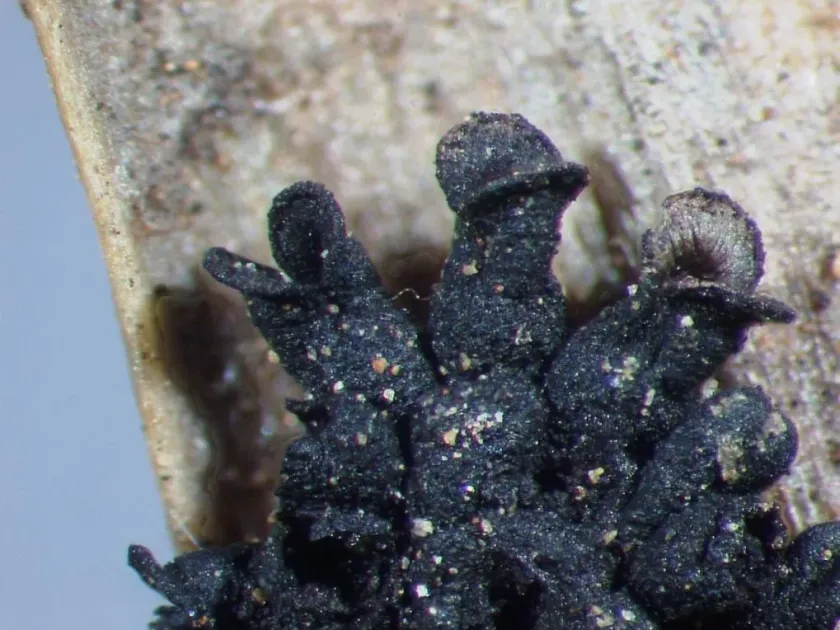
The primary symptom of Corynelia brasiliensis is the development of distinct black, protruding fruiting bodies known as ascomata on the leaf surfaces.
Infected Podocarpus leaves often exhibit chlorosis, followed by premature yellowing and dropping, which significantly degrades the plant's aesthetic value.
Early-stage infections manifest as small, dark spots that gradually enlarge, eventually erupting through the leaf epidermis to release spores.
Under close inspection, the underside of the leaf may show dense clusters of reproductive structures that are characteristic of this specific fungal pathogen.
Severe infestations cause deformation of the leaf blades and result in a noticeable decline in the overall vigor and growth rate of the affected tree.
Pathogen
The causative agent of this disease is the ascomycete fungus Corynelia brasiliensis, which specifically targets members of the Podocarpaceae family.
This parasitic fungus derives its nutrients from the host plant's living tissues, effectively hijacking the photosynthetic machinery for its reproduction.
The life cycle of the pathogen is highly dependent on environmental moisture levels, which trigger the production of spores during favorable conditions.
The fungus colonizes the leaf tissue by extending mycelial threads deep into the mesophyll, where it eventually forms its characteristic fruiting bodies.
Dissemination of the pathogen occurs via airborne ascospores or conidia, which are easily transported by wind, rain splashes, or contaminated pruning tools.
Conditions for development
Corynelia brasiliensis thrives in environments characterized by high relative humidity and moderate temperatures, typical of greenhouse or coastal conditions.
Poor air circulation within dense foliage or crowded nursery settings creates a stagnant environment that facilitates the rapid spread of fungal spores.
Frequent overhead irrigation or rainfall keeps the leaf surfaces wet for extended periods, providing the necessary moisture for spore germination.
Plants that are physiologically stressed due to improper fertilization, poor light conditions, or physical damage are more susceptible to infection.
The presence of leaf litter under the canopy serves as a source of inoculum, allowing the fungus to persist and re-infect the plant in subsequent seasons.
Why it matters
The disease poses a significant threat to the ornamental value of Podocarpus specimens, rendering them unsuitable for sale or landscape use.
Persistent defoliation caused by the fungus depletes the plant's metabolic reserves, resulting in stunted growth and weakened structural development.
By compromising the plant's health, Corynelia brasiliensis makes it more susceptible to secondary infections, such as root rots or bacterial blights.
In commercial nurseries, an outbreak can lead to substantial financial losses, necessitating the destruction of large batches of infested plant stock.
The long-term impact of the disease is a reduction in the plant's lifespan and its ability to withstand environmental stressors and drought conditions.
Protection
Strict phytosanitary practices are essential, including the inspection and quarantine of all incoming plant material to prevent the introduction of the fungus.
Sanitation is key: regularly remove and destroy all fallen leaves and diseased plant parts to eliminate the primary sources of fungal inoculum.
Apply preventative or curative fungicide treatments, particularly those targeting ascomycetes, during periods of high humidity and active fungal growth.
Improve cultural practices by optimizing plant spacing, ensuring proper airflow, and avoiding overhead watering to keep leaf surfaces as dry as possible.
- Implement a regular monitoring program to detect early signs of fungal fruiting bodies.
- Disinfect pruning tools with alcohol or a bleach solution between plants.
- Maintain plant vigor through balanced fertilization and proper light exposure.
Discussion
No discussions yet — be the first.