
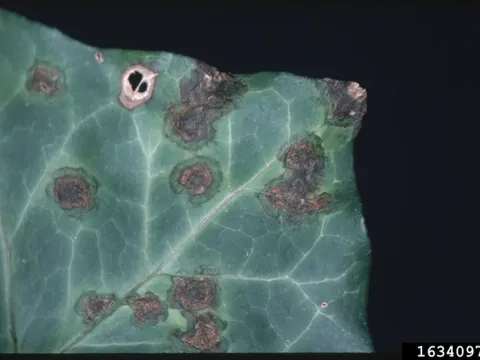
Ivy anthracnose
Colletotrichum trichellum
The causative agent of the disease is the fungus Colletotrichum trichellum, a member of the ascomycetes group. The pathogen specifically targets ivy tissues, spreading via conidia produced in specialized structures known as acervuli.
What the section contains
Ivy anthracnose
The life cycle of this fungus is strictly dependent on moisture availability. Spores require water films on leaf surfaces to germinate and successfully penetrate the plant tissue, which is why outbreaks are closely tied to high humidity levels.
The infection enters the host through stomata or mechanical wounds. Once inside, the fungal mycelium colonizes the intercellular spaces, secreting enzymes and toxins that break down plant cells and disrupt normal physiological processes.
The fungus is highly mobile; spores can be dispersed by splashing water during irrigation or rain, and even by contaminated gardening tools. This facilitates rapid spread in dense ivy plantings or greenhouses.
The pathogen can survive as saprophytic mycelium in plant debris and soil for long periods. This provides a continuous reservoir of infection that can reactivate whenever environmental conditions become favorable again.
The initial signs of infection appear as small, slightly sunken spots on the leaves. These lesions are typically brown or dark-tan in color, often surrounded by a subtle, lighter chlorotic halo.
Over time, these spots expand and may coalesce, leading to significant tissue necrosis. A diagnostic feature is the appearance of tiny, black, pimple-like structures (acervuli) in the centers of the spots, where fungal spores are formed.
When stems are affected, the fungus causes deep, dark lesions or cankers. These can eventually girdle the stem, cutting off the supply of water and nutrients, which leads to the wilting and eventual death of the affected vine sections.
Leaves affected by the disease lose their aesthetic quality, turn yellow, and eventually drop off prematurely. If left untreated, the plant may become severely defoliated and lose its overall vigor.
Under conditions of high humidity, a whitish or salmon-colored spore mass may emerge from the acervuli on the leaf surface. This mass is a clear indication that the fungus is actively sporulating and spreading to adjacent healthy foliage.
The development of ivy anthracnose is primarily driven by high humidity and stagnant air. These conditions allow the fungal spores to germinate effectively and initiate colonization of the plant's surface.
Optimal temperatures for the growth of Colletotrichum trichellum range from +20°C to +25°C. In this range, the incubation period is significantly shortened, and the disease can progress very rapidly.
Poor horticultural practices, such as overhead irrigation that keeps leaves wet for prolonged periods, are major contributors to disease outbreaks. Adequate drainage and airflow are essential to prevent the accumulation of moisture.
Dense planting environments prevent proper air circulation, leaving foliage damp long after watering. This moisture-rich microclimate is the perfect environment for the fungus to thrive and infect new, healthy tissues.
Plants under stress—due to insufficient light, nutrient deficiencies, or improper soil pH—are more susceptible to infection. A healthy, robust plant is better equipped to resist the initial stages of fungal invasion.
Anthracnose is a severe threat to ivy, as it rapidly destroys the plant's aesthetic appeal, which is its primary value in landscaping and indoor design. The loss of healthy leaves significantly reduces the plant's ornamental quality.
The disease causes physiological disruption, as the loss of photosynthetic leaf area drains the plant’s energy reserves. This makes the ivy more susceptible to secondary infections and infestations by pests.
Commercial nurseries face significant economic losses due to this disease, as one infected plant can easily jeopardize entire batches of ivy. The intensive care and remediation required are often costly.
If the infection reaches the vascular system or forms large stem cankers, the plant may die. Even if the plant survives, recovering its original shape and density can take many months of rehabilitation.
The presence of the fungus in a garden or greenhouse makes subsequent ivy maintenance much more demanding, often forcing growers to adopt strict and expensive preventative spray programs.
Sanitation is the most critical component of control. All infected leaves and stems must be immediately removed and destroyed. Never compost diseased plant material, as the spores can survive the process.
Manage watering practices by aiming water at the base of the plant to keep the foliage dry. Improve ventilation to ensure that any moisture on leaves evaporates quickly, which inhibits spore germination.
Chemical control involves the use of systemic and contact fungicides, particularly those containing copper, mancozeb, or strobilurins. Treatments should be applied preventatively or at the first sign of symptoms.
- Monitor ivy regularly for any signs of spotting or dieback.
- Disinfect pruning tools with alcohol or a bleach solution after each use.
- Provide proper fertilization to maintain the plant's natural immune system.
- Isolate new plants to ensure they are pathogen-free before introducing them to the collection.