
Chrysocapsaceae
Chrysocapsaceae
Chrysocapsaceae belong to the class of golden algae (Chrysophyceae). In agricultural science, these organisms can act as facultative pathogens, causing diseases collectively referred to as algosis.
What the section contains
Chrysocapsaceae
The pathogen consists of unicellular or colonial organisms covered by a mucous sheath. Under conditions of high humidity, they reproduce actively, forming films on the surface of various plant substrates.
Unlike fungi, these algae utilize photosynthesis, but under unfavorable conditions, they can switch to saprotrophic nutrition, invading plant tissues. Their presence is often overlooked during the initial stages of infection.
The life cycle of the pathogen is closely tied to soil water regimes. During adverse periods, the algae can form cysts, which maintain viability in the soil and on plant residues for extended periods.
Their pathogenic properties manifest mainly when the soil microflora balance is disrupted. They displace beneficial epiphytic microorganisms, blocking the plant's respiration by obstructing the stomata.
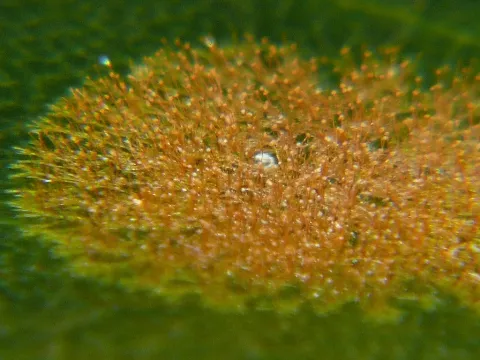
The main sign of infection is the appearance of a slimy, yellowish-brown or golden film on the surface of leaves, stems, and fruits.
As the disease progresses, affected tissues lose their turgor, become chlorotic, and eventually wither. Leaf blades may deform under the pressure of the mucous secretions.
When the root system is affected, a dense, greenish-brown crust forms on the soil surface. This prevents oxygen from reaching the roots, causing stunted growth of the crop.
- Presence of a golden-yellow slimy coating on plant organs.
- Chlorosis and necrosis of tissues at the site of colony accumulation.
- Stunted growth and development of vegetative mass.
- Formation of a soil crust that inhibits root aeration.
In severe cases, affected parts emit a foul, putrid odor, indicating the development of secondary bacterial infections within the damaged tissues.
The critical factor for the development of Chrysocapsaceae algae is excessive substrate moisture. In greenhouses, the disease progresses rapidly when relative humidity exceeds 85-90%.
Improper irrigation practices leading to waterlogging create an ideal environment for algae cell division. Lack of proper ventilation facilitates their rapid spread across the planting area.
High nutrient concentrations in the soil, particularly an excess of phosphorus and nitrogen, can trigger intense colony growth. This is commonly observed when mineral fertilizers are overused.
A temperature range of 15-22 degrees Celsius is optimal for the metabolic processes of these algae. Shaded conditions and insufficient light make plants more susceptible to colonization.
Poor phytosanitary practices, including the presence of undecomposed plant residues, ensure the survival of the inoculum (spores and cysts) from one season to the next.
The harmfulness of Chrysocapsaceae algae lies in the significant reduction of the plant's photosynthetic activity. The slimy film mechanically clogs stomata, blocking the intake of carbon dioxide.
Affected plants exhibit retarded growth, which inevitably leads to a decrease in marketable yield. In cases of severe infestation, young seedlings may perish entirely.
These algae act as competitors for nutrients. Their intensive development in the rhizosphere depletes the topsoil, depriving crops of accessible micronutrients.
The presence of the pathogen opens the door to other infections. Weakened tissues are more easily attacked by fungi and bacteria, leading to the development of rots that inflict the primary economic damage.
Economic losses are also associated with the costs of additional disinfection measures in greenhouses, which are required to eliminate infection foci and prevent widespread outbreaks.
The primary control measure is the normalization of the irrigation regime. It is essential to avoid waterlogging and ensure adequate drainage in greenhouses to prevent water stagnation.
Regular cultivation and loosening of the topsoil break down the algal mucous films and improve aeration to the roots, which suppresses the development of colonies.
Chemical control involves the use of copper-based fungicides, which effectively inhibit algal growth. It is crucial to strictly adhere to recommended dosages to avoid phytotoxic damage.
Prevention includes the disinfection of greenhouse structures and equipment. Using high-quality substrates and monitoring the mineral content of irrigation water significantly reduce outbreak risks.
Biological control methods involve the use of antagonistic bacteria that compete with algae for nutrients and space, effectively suppressing their population within the agroecosystem.