
Chrysanthemum rust
Puccinia chrysanthemi
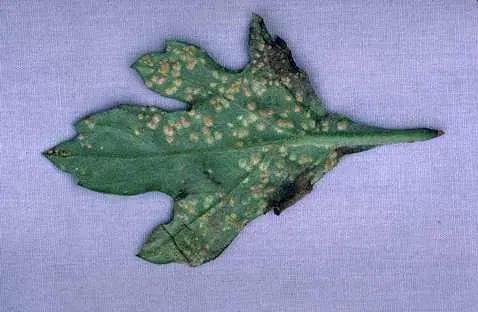
Description
Symptoms
Initial symptoms appear as small, pale yellow spots on the upper leaf surface, which can easily be overlooked in the early stages of infection.
As the disease progresses, characteristic raised pustules develop on the undersides of the leaves. These are filled with brown or rust-colored powdery spores.
Severe infestations cause the leaves to turn yellow, curl, and wither. The extensive damage to the foliage prevents the plant from photosynthesizing effectively.
Stems may also become infected, resulting in physical deformities and stunted growth. The overall aesthetic value of the chrysanthemum is completely lost.
Buds may fail to open properly or produce undersized and distorted flowers, making the entire plant commercially worthless for floral arrangements.
Pathogen
The disease is caused by the obligate fungal pathogen Puccinia chrysanthemi. This fungus is highly host-specific, primarily targeting chrysanthemum species.
The pathogen completes its life cycle within the host plant tissues by extracting nutrients, which severely weakens the plant’s vigor and overall growth.
It propagates through the production of urediniospores found in pustules. These spores are easily dispersed by wind, splashing water, and even through physical contact with tools.
Under favorable greenhouse conditions, the fungus remains active throughout the year. In outdoor settings, it survives the winter on plant debris and overwintering foliage.
The fungus invades the leaf through stomata and develops mycelium within the intercellular spaces, eventually erupting through the epidermis to release new spores.
Conditions for development
High humidity levels, typically above 85%, are the primary catalyst for the development and rapid spread of chrysanthemum rust.
Optimal temperatures for spore germination and fungal growth range between 15°C and 22°C, making spring and autumn critical seasons for monitoring.
Overhead irrigation is a significant risk factor, as water droplets on leaves create the perfect microclimate for spores to colonize the leaf surface.
Poor ventilation and overcrowded plantings restrict airflow, allowing moisture to linger and providing the fungus with ideal conditions for propagation.
Plants under stress from improper nutrient levels or poor cultural practices become significantly more susceptible to infection by the pathogen.
Why it matters
The primary impact of chrysanthemum rust is the total loss of aesthetic quality, rendering the plants unsuitable for sale or landscape display.
The infection significantly slows down plant development and reduces the number of blooms produced, often causing them to fail to bloom entirely.
For commercial growers, an outbreak can lead to the necessity of destroying entire crops, resulting in substantial financial losses and lost production time.
The weakened state of the plant makes it highly susceptible to secondary bacterial and fungal infections that can lead to total plant collapse.
Persistent infection severely reduces the winter hardiness of perennial chrysanthemum varieties, leading to higher rates of plant mortality during cold weather.
Protection
Sanitation is the first line of defense: immediately remove and dispose of all infected plant material, ensuring it is destroyed rather than composted.
Improve air circulation by thinning out plantings and ensuring adequate spacing. Always water at the base of the plant to keep the foliage as dry as possible.
Apply systemic fungicides early in the disease progression to protect healthy tissue and stop the spread of existing fungal colonies.
- Choose resistant cultivars whenever possible
- Sanitize all gardening tools between uses
- Inspect new plants for signs of rust before introducing them
- Monitor greenhouse humidity levels daily
- Ensure balanced fertilization to strengthen plant immunity
Regular scouting for symptoms is vital; early detection allows for targeted treatment and prevents the need for drastic measures such as total crop destruction.
Discussion
No discussions yet — be the first.