
Apiospora blight
Apiospora
The disease is caused by fungi of the genus Apiospora, which are ascomycetes often characterized by their role as facultative parasites or saprotrophs.
What the section contains
Apiospora blight
These fungi complete their life cycle by forming fruiting bodies on crop residues, where they can survive for extended periods under favorable moisture conditions.
The spread of the pathogen occurs primarily through wind-borne spores or rain splash, which disperse the infection from debris onto the leaves of susceptible crops.
The biological nature of Apiospora allows it to adapt to diverse ecological conditions, making it a persistent challenge in areas with minimal tillage.
Recent taxonomic studies have expanded the understanding of this genus, highlighting that multiple species within Apiospora are capable of causing symptomatic damage to various hosts.
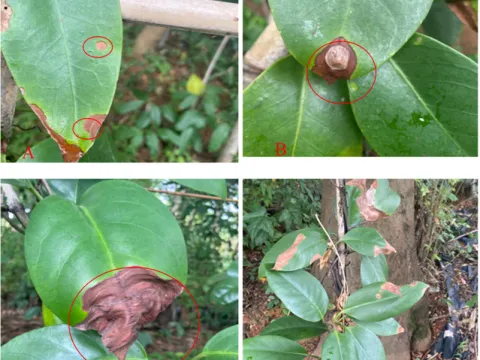
Early symptoms of Apiospora blight include the appearance of localized necrotic spots on foliage, which gradually increase in size and change color.
The lesions are often characterized by a brown center and a surrounding chlorotic zone, caused by the localized death of plant tissues and toxin production.
Under high humidity, tiny black fruiting bodies develop within the necrotic areas, signaling the maturation of the fungus and potential for further spore production.
Premature yellowing and senescence of the leaves often follow, which compromises the photosynthetic capacity of the entire plant.
In later stages, the infection may spread to the stem and ears, causing discoloration and restricting the nutrient flow to the maturing grains.
Apiospora blight thrives in moderate temperatures and high humidity, conditions that are often prevalent during spring and early summer in many regions.
The presence of prolonged leaf wetness is essential for the germination of spores and the subsequent penetration of the mycelium into the host tissues.
Dense planting patterns and high nitrogen fertilization can create a microclimate that fosters disease development due to reduced airflow within the crop canopy.
The presence of abundant crop debris from the previous season provides a reservoir for the pathogen, facilitating early-season infection of emerging plants.
Stress factors, such as drought followed by excess moisture or pest damage, weaken the host's natural defenses and increase susceptibility to Apiospora.
The primary economic impact of Apiospora blight is yield reduction resulting from the loss of healthy leaf area and impaired grain filling.
Infected crops often produce shriveled or lightweight kernels, which lowers the overall quality and market value of the harvested grain.
Systemic colonization of the plant tissues can hinder water and nutrient transport, leading to stunted growth and, in severe cases, plant death.
Lodging becomes a significant risk when stems are weakened by the fungal infection, complicating harvest operations and increasing post-harvest losses.
Furthermore, if seeds become infected, their viability is reduced, leading to poor emergence and uneven stand establishment in subsequent seasons.
Effective management requires an integrated approach starting with the rotation of crops to non-host species to break the pathogen's infection cycle.
Deep plowing and proper residue management are crucial techniques to bury infected plant material, reducing the initial inoculum levels in the soil.
Seed treatment with broad-spectrum fungicides provides essential protection for young seedlings against early-season infection from soil-borne spores.
Foliar application of fungicides should be based on regular scouting and weather patterns, targeting the fungus before it reaches critical growth stages.
Maintaining balanced soil fertility and optimal plant density helps improve the general resilience of the crop, making it less vulnerable to opportunistic pathogens.