
Apiosporiosis
Apiosporaceae
Description
Symptoms
The primary symptom of the disease is the appearance of specific leaf and stem spots. These spots typically exhibit an irregular shape and a brown, dark gray, or nearly black color with distinctive zoning patterns.
On the affected areas, one can often observe tiny black dots, which are the fungal fruiting bodies (perithecia or pycnidia). These are deeply embedded in the epidermis and rupture the surface as they mature, which is a key diagnostic feature.
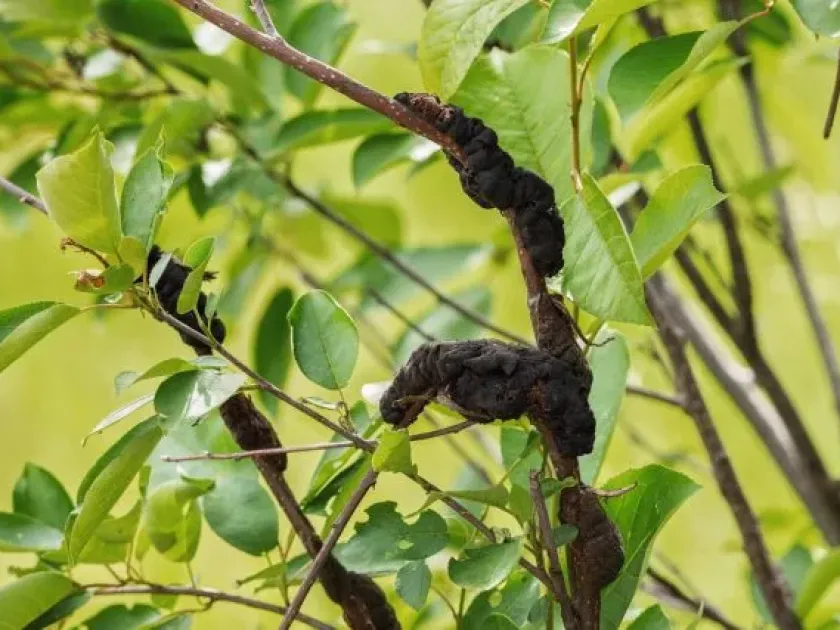
When shoots are affected, bark necrosis occurs, often leading to the formation of localized ulcers or deep tissue decay. This disrupts the translocation of nutrients, resulting in the wilting and eventual dieback of distal parts.
Under high humidity conditions, a faint fungal growth may appear on the surface of the lesions. Over time, the color of these areas darkens due to mass spore formation, and leaves prematurely yellow and abscise.
In cases where fruits or seeds are affected, tissue deformation and secondary rotting processes develop. Damaged parts of the plant lose their biological integrity and become unproductive.
Pathogen
Apiosporiosis is caused by microscopic ascomycete fungi belonging to the Apiosporaceae family. These pathogens often possess complex life cycles involving both sexual stages (perithecia) and asexual anamorphic stages.
The fungus typically survives in the form of mycelium or fruiting bodies on infected plant debris, fallen leaves, and damaged branches. As favorable conditions emerge, spores are actively dispersed by wind, rain splashes, and insect vectors.
In phytopathology, members of this family are often classified as opportunistic pathogens. They can exist as saprotrophs on dead tissues but transition to a parasitic lifestyle when the plant's immune system is compromised.
The host range includes various woody and shrub species, as well as several perennial herbaceous plants. It frequently infects leaf tissues and young shoots, causing necrosis in various plant organs.
The biological characteristics of the fungus allow it to survive across a wide range of temperatures. Spores remain viable in the soil and on plant debris for several seasons, complicating long-term management of the infection pool.
Conditions for development
The main catalyst for the spread of Apiosporiosis is high relative humidity. Prolonged rainy periods and frequent fog create the ideal environment for spores to germinate on the surface of vegetative organs.
The temperature optimum for pathogen development typically ranges from +18 to +25 degrees Celsius. Under these conditions, the incubation period of the fungus shortens significantly, leading to rapid disease spread.
Dense planting schemes and a lack of proper crown ventilation significantly increase the risk of disease outbreak. Poor aeration prevents the rapid drying of foliage after rain, sustaining the moisture needed by the fungus.
Plants weakened by nutrient deficiencies, drought, or pest pressure are highly vulnerable to fungal infection. Environmental and physiological stress reduces the natural resistance of plant tissues.
Poor agricultural practices, such as the neglect of sanitary pruning, allow the fungus to accumulate in the orchard or field year after year. Unremoved plant remains serve as the primary source of initial inoculum.
Why it matters
The primary damage results from a significant reduction in the photosynthetic area of the leaves. Consequently, the tree or shrub cannot store enough nutrients for successful overwintering and subsequent growth.
Severe shoot infection leads to metabolic disruption and stunted growth. In extreme cases, progressive branch dieback occurs, which severely compromises the plant's aesthetic and commercial value.
When fruit crops are affected, the result is a reduction in yield and a decline in product quality. Infected sites may become entry points for more dangerous secondary pathogens.
Systemic development of Apiosporiosis over several years leads to overall plant decline. Without intervention, plants become increasingly sensitive to frost, drought, and other abiotic stress factors.
Economic losses include not only the direct loss of harvest but also the costs associated with disease management. These include the procurement of fungicides and labor expenses for intensive sanitary maintenance.
Protection
The cornerstone of management is cultural control, specifically regular sanitary pruning and the removal of all infected plant parts. It is essential to collect and destroy fallen leaves, which act as the main reservoir for fungal spores.
Maintaining optimal spacing between plants to ensure adequate air circulation is critical for preventing epiphytotics. Regular crown thinning helps prevent the accumulation of moisture within the canopy.
Preventative fungicide applications, particularly copper-based or modern systemic products, help shield plants from infection. Treatments should be timed during periods of peak pathogen activity.
Balanced fertilization, particularly with potassium and phosphorus, improves overall plant vigor and resilience against fungal diseases. Proper irrigation that avoids waterlogging is also essential for maintaining plant health.
If disease symptoms appear, immediate therapeutic spraying with authorized fungicides should be performed according to the label. Rotating different fungicide groups is necessary to prevent the development of pathogen resistance.
Discussion
No discussions yet — be the first.