
Anthracnose
Colletotrichum australe
Description
Symptoms
The first symptoms appear as small brown or dark brown spots on leaves, petioles, and stems. Over time, these spots enlarge, often exhibiting zonate patterns and a distinct darker border.
Black dots, known as acervuli, frequently appear on the surface of these lesions. Under high humidity conditions, a pinkish or yellowish spore mass may be observed on the affected areas.
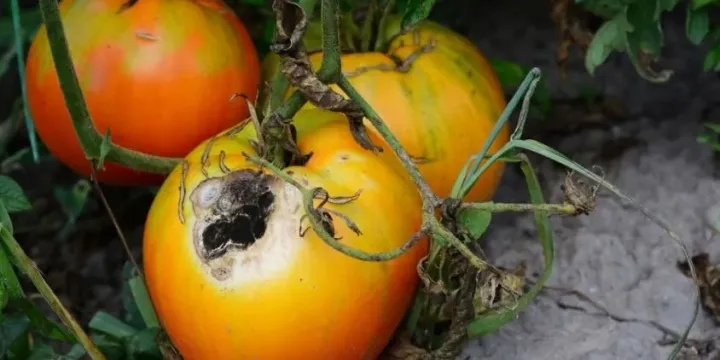
As the disease progresses, necrotic tissues dry out, crack, and may fall away, leaving holes in the leaves. On fruits, anthracnose manifests as sunken, dark lesions that deepen over time and can cause significant decay.
Stem infections typically show up as deep necrotic streaks that can lead to stem breakage. This damage severely impairs the transport of water and nutrients, causing the plant to wilt and die prematurely.
Root system infection leads to tissue browning and rot, resulting in general stunted growth. Foliage on infected plants often becomes distorted and loses its natural green vigor.
Pathogen
The disease is caused by the imperfect fungus Colletotrichum australe, belonging to the class Deuteromycetes. This pathogen affects a wide range of agricultural crops, including vegetables, fruits, and ornamental species, disrupting their physiological functions.
The fungus survives in the soil, on plant debris, or within infected seeds as mycelium and conidia. During the growing season, the pathogen spreads through conidia carried by wind, splashing rain, or during agricultural activities.
The pathogen's life cycle includes the formation of acervuli, where numerous spores are produced. These spores serve as primary and secondary sources of infection for healthy plant tissues during favorable weather conditions.
The fungus is highly adapted to environmental stress, allowing it to survive periods of drought while remaining viable until high humidity returns. This biological resilience makes managing the disease a significant challenge for farmers.
The fungus penetrates plant tissues through mechanical wounds, stomata, or natural openings. Once inside, hyphae develop rapidly within the intercellular spaces, causing necrotic damage to the host tissues.
Conditions for development
High humidity, typically above 85-90 percent, is essential for the rapid development and spread of Colletotrichum australe. Frequent rainfall, fog, and heavy dew create the perfect environment for spore germination.
The optimal temperature range for the pathogen's growth is between 22 and 28 degrees Celsius. Under these conditions, the incubation period is shortened, often leading to rapid, epidemic-like spread across fields.
Dense planting or crops lacking proper ventilation are at the highest risk. Poor air circulation allows moisture to linger on foliage, facilitating the colonization process for the fungus.
Low light levels and excessive nitrogen fertilizer applications weaken plant immunity, making them more susceptible to infection. Rapidly grown, succulent tissues are easily penetrated by fungal hyphae.
Weeds in or near the field act as alternative hosts, serving as reservoirs for the fungus. Crop debris left on the field ensures the pathogen remains present for the following season.
Why it matters
Anthracnose causes significant economic losses, often reducing yields by 30-50 percent or more during wet seasons. Marketability of the produce drops sharply due to visible defects and rapid post-harvest decay.
Infected fruits are unsuitable for long-term storage or transport because they quickly rot. This leads to massive losses during the supply chain, affecting both fresh produce and processing industries.
Extensive destruction of leaf tissue stops photosynthesis, directly impacting plant energy production. This causes poor development of fruits, seeds, and storage organs.
Seeds harvested from diseased plants often have low germination energy and carry the pathogen, spreading the infection to new areas during the next planting cycle.
Plants weakened by anthracnose are more vulnerable to secondary infections, such as bacterial rots. This often necessitates additional expensive chemical treatments to save the remaining crop.
Protection
A primary strategy for control is crop rotation, which breaks the pathogen's life cycle by removing its host for 3-4 years. This prevents the buildup of fungal inoculum in the soil.
Using certified, disease-free seeds that have been treated with appropriate fungicides is essential. This prevents the introduction of the pathogen into clean fields at the start of the season.
Thoroughly removing and destroying plant debris after harvest via deep plowing is critical to eliminating overwintering sites. Controlling weed populations also significantly reduces the risk of infection.
Chemical fungicides, including both systemic and contact agents, should be applied upon the first signs of disease. Strategic application according to local guidelines is necessary to prevent severe outbreaks.
- Maintain optimal planting density for better airflow.
- Apply balanced potassium and phosphorus fertilizers.
- Select resistant or tolerant crop varieties.
- Use drip irrigation to keep foliage dry.
- Conduct regular field scouting during high-risk weather.
Discussion
No discussions yet — be the first.