
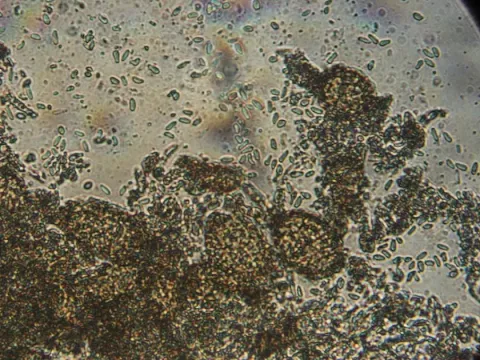
Ampelomyces
Ampelomyces
Ampelomyces, specifically the species Ampelomyces quisqualis, is a well-known fungus that acts as a natural hyperparasite.
What the section contains
Ampelomyces
Rather than causing disease, it attacks and feeds upon the fungi responsible for powdery mildew infections.
The fungus invades the mycelium and fruiting bodies of the powdery mildew pathogen, effectively consuming them from the inside.
This biological interaction prevents the pathogen from producing conidia, thereby halting the spread of the disease.
It is widely utilized in organic and integrated pest management programs as a safe alternative to synthetic fungicides.
The efficacy of Ampelomyces is highly dependent on environmental factors, particularly ambient humidity levels.
Temperatures ranging from +20°C to +28°C provide the most favorable conditions for the colonization of the host fungus.
High humidity is crucial for the germination of spores and the overall survival of this beneficial mycoparasite in the field.
Direct exposure to UV radiation can negatively impact the viability of the fungus, making timing of application critical.
Glasshouse conditions often provide the stable environment necessary for Ampelomyces to exert maximum control over powdery mildew.
Ampelomyces itself is completely harmless to agricultural crops and poses no threat to plant health or yields.
The primary concern is the damage caused by the powdery mildew pathogen, which Ampelomyces is meant to suppress.
Without the presence of this mycoparasite, powdery mildew can rapidly colonize plant leaves, leading to severe chlorosis.
Affected plants suffer from impaired photosynthesis, reduced vigor, and poor fruit development due to lack of control.
The absence of natural antagonists allows the disease pressure to remain high, necessitating more frequent chemical interventions.
Effective control involves the strategic application of biofungicides containing viable spores of Ampelomyces quisqualis.
Growers should minimize the use of broad-spectrum fungicides that could inhibit the development of this beneficial hyperparasite.
It is essential to apply the agent at the very beginning of the disease cycle to prevent major outbreaks of powdery mildew.
Maintaining proper plant spacing and airflow helps create a microclimate conducive to the growth of this parasite.
- Early scouting for initial powdery mildew symptoms.
- Avoiding chemical fungicides shortly before or after biological application.
- Optimizing leaf canopy humidity to favor the mycoparasite.