
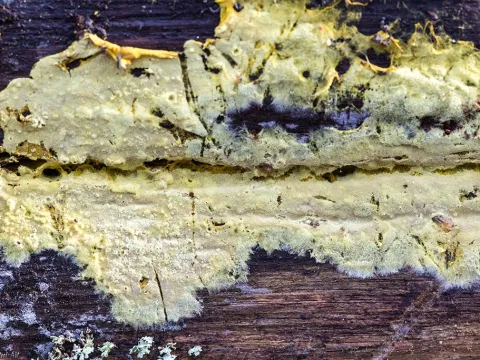
Amphinema byssoides
Amphinema byssoides
Amphinema byssoides is a basidiomycetous fungus typically associated with conifer forest soils. While it primarily functions as a saprotroph, decomposing organic matter, it can shift to a parasitic lifestyle under specific nursery conditions, posing a significant threat to young conifer seedlings.
What the section contains
Amphinema byssoides
The fungus develops a distinctive, thin, web-like mycelium that spreads across the soil surface and around the plant stems. This "byssoid" or web-like appearance is characteristic of the species and often serves as the first visual indicator of its presence in the growing media.
The pathogen reproduces through spores and rhizomorphs. These thread-like structures allow the fungus to colonize new areas, spreading from decaying organic debris to living tissues, which makes it particularly aggressive in nurseries where soil moisture is poorly managed.
Biologically, the fungus utilizes complex enzymatic processes to degrade plant cell walls. This ability to break down organic structures allows it to thrive in nutrient-rich environments, but it also enables the colonization of the root systems of weakened or overcrowded seedlings.
Research indicates that the fungus can form ectomycorrhizal associations under normal forest conditions, but this relationship turns pathogenic when seedlings are under environmental stress, leading to root tissue destruction and nutrient uptake failure.
The primary symptom of infection is the development of a white to yellowish, cottony or web-like mycelial mat enveloping the root collar. This mycelium can extend over the soil surface, forming visible rhizomorphs that connect infected seedlings to healthy ones nearby.
Infected seedlings exhibit clear signs of chlorosis, with needles turning pale green or yellow. As the root system is progressively damaged, the plants lose their ability to transport water, leading to rapid wilting, loss of turgor, and eventually, the death of the seedling.
A diagnostic sign is the ease with which an infected seedling can be pulled from the soil. The roots will appear decayed, soft, and darkened, with the bark often sloughing off from the woody core, revealing the extent of the damage caused by the fungal enzymes.
In nursery beds, the disease typically manifests in patches. Seedlings in the center of the patch die first, and the infection gradually spreads outwards, creating irregular gaps or bare spots that expand over time if no management practices are applied.
Under moist conditions, small, crust-like fungal fruiting bodies may appear at the base of the stems or under debris. While these structures are sometimes overlooked due to their inconspicuous color, they are a definitive sign of an active, well-established fungal colony.
High soil moisture is the primary driver of Amphinema byssoides development. Environments with poor drainage, heavy irrigation, or high atmospheric humidity provide the perfect conditions for the fungus to expand its mycelial network rapidly.
Overcrowded nursery beds significantly exacerbate the risk. Lack of proper airflow between seedlings creates a stagnant microclimate that prevents the soil surface from drying out, thereby sustaining the moisture levels required for the pathogen's proliferation.
Temperature plays a crucial role in the lifecycle of the fungus. Moderate temperatures ranging from 15°C to 20°C, paired with moisture, trigger the fastest growth rates. Consequently, peak infection periods usually occur during cool, wet spring seasons or rainy autumns.
The presence of uncomposted organic matter in the substrate serves as a significant inoculum source. Soils that contain large amounts of fresh wood chips, bark, or leaf litter are highly susceptible to becoming breeding grounds for the fungus before it moves onto the seedlings.
Poor soil aeration and lack of direct sunlight on the soil surface promote the development of the pathogen. Conversely, well-lit, well-drained nursery sites where the top layer of soil dries quickly are far less likely to face severe outbreaks of this disease.
The most severe impact of Amphinema byssoides is the mass mortality of young conifer seedlings, leading to substantial economic loss. High rates of seedling loss require extra labor and materials to replant the affected nursery areas.
The fungus significantly stunts the growth of surviving plants. Even if a seedling is not killed outright, its compromised root system prevents it from reaching a merchantable size, making it unsuitable for reforestation projects and reducing the overall quality of the stock.
Persistent presence in the soil creates a long-term problem for nursery management. Once the fungus is established, the soil remains a reservoir of infection, often necessitating strict quarantine measures and costly sterilization procedures before the area can be reused.
The pathogen disrupts the formation of beneficial mycorrhizal networks, which are essential for conifer health. Without these symbionts, seedlings are inherently weaker and more susceptible to drought, frost, and other environmental stressors in their later development.
Outbreaks can lead to the loss of commercial certification for nurseries. If a site is known to harbor pathogenic fungi, it may be barred from supplying planting material, leading to reputational damage and the loss of potential market share.
- Ensure optimal seedling spacing to facilitate air circulation.
- Remove all organic debris and weeds from the nursery site.
- Sterilize growing media and soil before sowing to eliminate initial inoculum.
- Apply biological fungicides containing antagonistic fungi like Trichoderma species.
- Implement moderate, controlled irrigation to prevent persistent waterlogging at the root zone.
Systemic fungicides labeled for use against basidiomycetous fungi are recommended for nursery management. Treatments should be applied proactively during high-risk, humid weather conditions to prevent the fungus from establishing a foothold.
Cultural control measures, such as mulching with coarse mineral materials, can help the soil surface dry faster, creating an inhospitable environment for surface-spreading mycelia. This simple adjustment often drastically reduces the rate of patch expansion.
When localized outbreaks are detected, infected plants and the surrounding soil should be removed and disposed of far from the nursery site. Follow-up application of fungicides to the immediate area helps create a barrier against further spread.
Finally, careful selection of growing substrates is vital. Avoiding the use of poorly decomposed materials and ensuring adequate drainage properties of the potting mix will minimize the likelihood of colonization by Amphinema byssoides.