
Grapevine Alternaria
Alternaria vitis
The disease is caused by the fungus Alternaria vitis (or Alternaria alternata), which is a common opportunistic pathogen found in vineyards worldwide.
What the section contains
Grapevine Alternaria
This fungus acts as both a saprophyte on decaying plant matter and a parasite that colonizes the active green tissues of the grapevine.
The pathogen produces a massive number of conidia (spores) that are easily dispersed by wind, water splashes, and insect movement throughout the vineyard.
Once settled on the vine surface, the spores penetrate the epidermis and begin developing mycelium, which extracts nutrients from the host cells.
The fungus is highly resilient, allowing it to survive adverse environmental conditions, including winter frosts, within the bark or leaf debris.
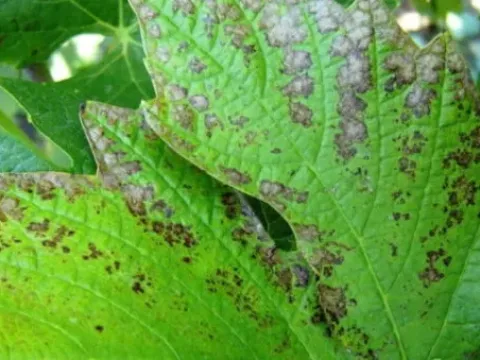
The infection typically manifests as dark brown spots on the leaves, which often exhibit a characteristic silvery or metallic sheen in the early stages.
As the disease progresses, these spots expand, often merging into larger necrotic areas that cause the leaf tissue to curl, dry out, and drop prematurely.
Stems and shoots may develop elongated, dark brown lesions that can penetrate deep into the woody tissue, weakening the structural integrity of the vine.
When the fruit is affected, berries show dark, velvety patches or a gray-to-black fungal growth, which rapidly leads to rotting and crop loss.
Visible signs of sporulation often appear on the affected plant parts, resembling a fine, dark, dusty powder under high magnification or humid conditions.
Alternaria outbreaks are strongly correlated with high relative humidity and frequent rainfall, which provide the necessary moisture for spore germination.
The pathogen thrives in warm conditions, with temperatures between 20°C and 28°C being optimal for the rapid spread and infection cycles of the fungus.
Vineyards with poor airflow, caused by overly dense canopy or lack of proper pruning, are significantly more susceptible to severe infection.
Plants that are stressed due to nutrient deficiencies, water imbalance, or previous damage by pests or hail are at a much higher risk of colonization.
Inefficient removal of weeds and debris around the base of the vines provides a constant source of inoculum that can trigger new infection cycles.
The primary economic impact is the direct loss of fruit quality and quantity, as infected berries are often unsalable and unsuitable for winemaking.
Premature leaf drop reduces the vine's ability to perform photosynthesis, which severely hinders the accumulation of sugar and nutrients in the canes.
Weakened vines show poor lignification (hardening of the wood), making them highly vulnerable to cold damage and winter injury during the dormancy period.
Chronic infections can lead to a general decline in vine vigor, resulting in reduced bud fruitfulness and lower yields in subsequent growing seasons.
If not managed correctly, the disease can accelerate the degradation of the vineyard, requiring costly interventions to restore the health of the plants.
Cultural control is essential: practice regular pruning and canopy management to ensure optimal airflow and sun exposure throughout the vine architecture.
Sanitation is critical; collect and destroy all fallen leaves and infected fruit remnants during the dormant season to minimize the primary inoculum.
Chemical protection includes the timely application of fungicides, such as copper-based products or strobilurins, during the periods of highest risk.
Maintain plant health through a balanced fertilization program, ensuring adequate levels of potassium to strengthen the cell walls and overall immunity.
Early detection and scouting are key; farmers should monitor for initial symptoms to apply targeted treatments before the disease spreads throughout the vineyard.