
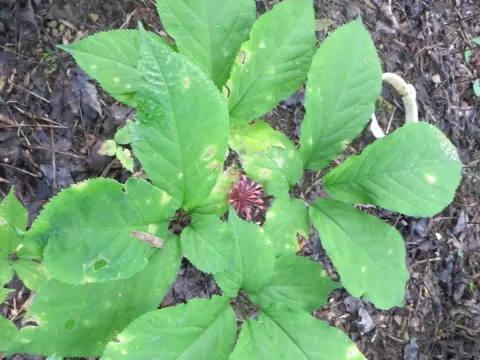
Ginseng Alternaria blight
Alternaria panax
The disease is caused by the fungus Alternaria panax, an asexual pathogen that specifically targets the Panax genus, including the highly valued medicinal ginseng plant.
What the section contains
Ginseng Alternaria blight
The pathogen overwinters as mycelium or spores within infected plant debris, in the soil, and can be introduced into new fields via contaminated seeds.
Dissemination occurs primarily through conidia, which are easily transported by wind, splashing rain, or irrigation water, facilitating the rapid spread of the fungus across cultivation sites.
The fungus penetrates host tissues and secretes phytotoxins that degrade cellular walls, leading to rapid tissue death and necrosis of the infected areas.
Alternaria panax is a specialized pathogen that thrives in the persistent microenvironments created by commercial ginseng shade structures, leading to continuous infection cycles.
Early symptoms appear as small, circular, reddish-brown spots on leaves, which gradually expand and exhibit a characteristic concentric ring pattern.
Under conditions of high humidity, a velvet-like, olive-to-black fungal growth becomes visible on the surface of the lesions, representing the massive production of conidia.
The fungus can also infect petioles and stems, causing them to weaken, collapse, and turn dark brown, which leads to the premature senescence of the entire plant.
In severe cases, the lesions coalesce, resulting in widespread leaf scorching and necrosis, which effectively destroys the foliage before the end of the growing season.
Stem blight can lead to the "shepherd’s crook" symptom or total stem collapse, preventing the transfer of nutrients to the root system, which is the primary commercial harvest.
Favorable conditions for Alternaria panax development include prolonged periods of high humidity, particularly when temperatures remain between 20°C and 25°C.
Frequent rainfall or heavy dew creates the essential moisture layer required for conidia germination and subsequent entry into host tissues.
Poor ventilation within shaded ginseng beds creates stagnant air conditions that significantly accelerate the spread and severity of the blight.
Any physiological stress on the plants, whether from nutrient imbalances, poor soil drainage, or mechanical injury, increases susceptibility to fungal infection.
High-density planting, which reduces airflow between individual plants, often acts as a critical multiplier for the progression of the disease.
The primary economic impact of ginseng Alternaria blight is the significant reduction in root yield due to the early loss of photosynthetic leaf area.
Plants affected by the blight fail to accumulate sufficient biomass, resulting in smaller, underdeveloped roots that possess lower medicinal and commercial value.
Large-scale outbreaks can cause total loss of harvest in affected beds, necessitating expensive replanting and soil remediation efforts.
In addition to yield loss, the infection depletes the longevity of the plant, preventing it from reaching the optimal age required for high-quality root harvesting.
Persistent presence of the fungus in the soil renders these areas difficult to manage for future ginseng crops without strict long-term sanitization practices.
Effective management begins with strict sanitation, specifically the removal and destruction of all plant residues at the end of each season to eliminate pathogen reservoirs.
Improving the physical environment, particularly ensuring high-quality airflow through adjusted shade structures, is essential for keeping leaf surfaces dry.
Chemical control involving copper-based or systemic fungicides must be implemented preventatively or immediately upon the detection of the first symptoms.
- using disease-free seeds and certified planting stock to prevent the introduction of the fungus;
- optimizing plant spacing to ensure sufficient ventilation;
- rotating crops where possible to break the pathogen's life cycle.
Biological soil amendments, including beneficial fungi like Trichoderma species, can help suppress the pathogen population in the soil profile.