
Ginseng anthracnose
Colletotrichum panacicola
Description
Symptoms
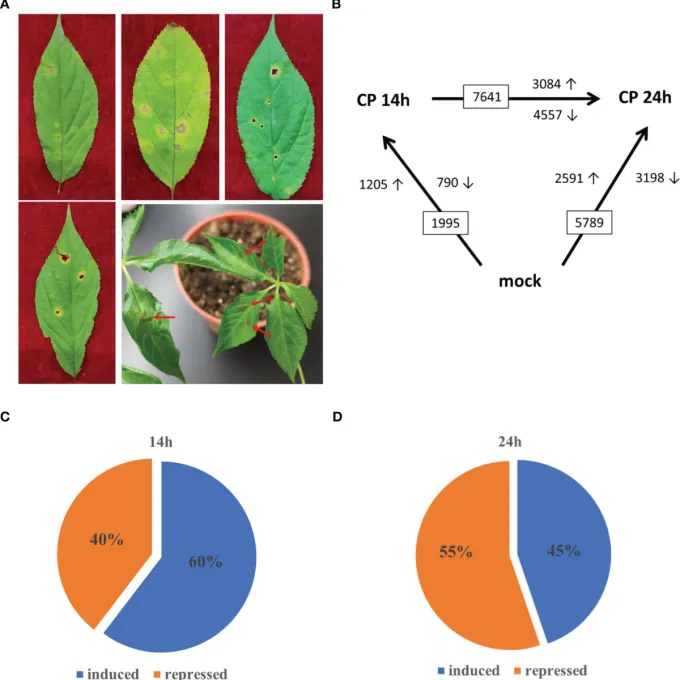
Initial symptoms appear on leaves as small, circular, brown or dark-gray spots surrounded by a dark margin. These spots gradually expand and coalesce, covering a significant portion of the leaf surface.
Under high humidity, light or pinkish spore masses become visible on the surface of the lesions. Subsequently, the affected tissues wither and become brittle, leading to premature leaf drop.
Elongated, sunken dark lesions develop on petioles and stems. In severe cases, stems may break, leading to the collapse of the aerial part of the plant and cessation of nutrient supply to the root.
The infection also targets ginseng berries, causing them to shrivel and rot, which compromises seed quality. Roots can also exhibit dry rot symptoms, often complicated by secondary pathogens.
- Yellowing of leaf margins.
- Development of dark, sunken stem lesions.
- Necrotic patches on seeds and roots.
- Premature desiccation of the canopy.
Pathogen
The causal agent of ginseng anthracnose is the imperfect fungus Colletotrichum panacicola. This pathogen belongs to the Ascomycota phylum and specifically targets plants within the Panax genus.
The fungus completes its life cycle by producing conidia within specialized structures called acervuli, which rupture the host's epidermis. In this form, the pathogen can overwinter on plant debris, in the soil, and on seeds.
The fungal mycelium penetrates plant tissues through stomata or mechanical damage. Once inside, it colonizes the intercellular spaces, secreting enzymes that degrade cell walls.
Throughout the growing season, the fungus spreads primarily via conidia, which are dispersed by rain splashes, wind, insects, or contaminated farming tools. Infections can affect both aerial parts and the root system.
The biological characteristics of Colletotrichum panacicola make it highly dangerous for specialized plantations, where ginseng is grown continuously, leading to the buildup of inoculum.
Conditions for development
High humidity and soil moisture are the primary drivers of epidemics. Rainy weather during the summer provides an ideal environment for conidial germination.
The optimal temperature range for the fungus is 20–25 degrees Celsius. Under these conditions, the incubation period can be as short as a few days.
Dense planting configurations impede airflow, leading to moisture accumulation on leaves. Poor ventilation significantly increases the risk of rapid disease spread.
Heavy, poorly drained soils facilitate waterlogging around the crown, which weakens the plant's natural defenses and facilitates fungal penetration of the root tissues.
Improper shading practices can also stress the plants, making them more susceptible to Colletotrichum panacicola infections.
Why it matters
Anthracnose is one of the most destructive diseases for ginseng, capable of causing 50–80% yield losses in epidemic scenarios. It affects all parts of the plant.
Extensive leaf damage reduces photosynthetic capacity, stalling root development. Consequently, the weight and overall quality of the harvested root are drastically reduced.
Stem damage leads to breakage and plant mortality, which is particularly devastating for young seedlings. Entire beds can be lost in a very short timeframe if left untreated.
Reduced seed quality makes them unsuitable for propagation and serves as a primary vehicle for introducing the pathogen to new planting areas.
Root rot caused by anthracnose often leads to the rejection of ginseng roots during processing, as the affected raw material loses its biological potency and storability.
Protection
Effective management begins with using pathogen-free planting material. Seeds should be treated with appropriate fungicides approved for use on medicinal herbs before sowing.
Crop rotation and strict sanitation are essential. All plant debris should be removed and destroyed at the end of the season to eliminate potential inoculum sources.
Optimizing plant spacing is crucial to ensure adequate aeration and reduce humidity around the plants. Regular weeding also helps improve air circulation.
Upon detection of initial symptoms, contact or systemic fungicides should be applied. Rotating different chemical classes is necessary to prevent the development of fungal resistance.
Consistent plantation monitoring allows for early detection of hotspots. Infected plants should be promptly rogued, including the surrounding soil, to prevent further spread.
Discussion
No discussions yet — be the first.