
Gjaerumia ossifragi
Gjaerumia ossifragi
Description
Symptoms
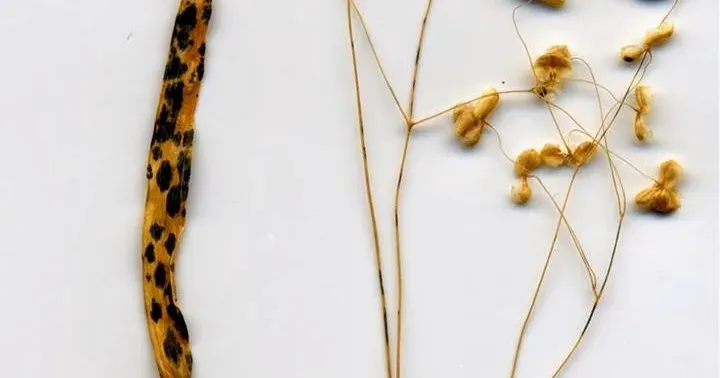
Visible symptoms typically manifest as localized spots on the leaves, which gradually increase in size and change coloration as the infection progresses.
The affected areas often exhibit a dusty or powdery appearance, representing the fungal sporulation layer that develops during humid weather conditions.
Leaf tissues surrounding the infection site often undergo chlorosis or necrosis, eventually leading to the premature browning and shedding of the foliage.
In advanced cases, the infection can spread to the stem, leading to growth distortions and a reduction in the plant's overall structural integrity.
Early identification of these signs is essential for differentiating this condition from other abiotic or biotic disorders affecting similar plant types.
Pathogen
The causative agent of this disease is the fungus Gjaerumia ossifragi, which belongs to the Exobasidiales order of basidiomycete fungi. It is a highly specialized parasite that targets specific plant species.
The life cycle of the pathogen is intricately linked to the developmental phases of its host plant, allowing it to synchronize its growth with favorable environmental conditions.
The fungus develops its mycelium within the intercellular spaces of the host tissue, eventually breaking through the epidermis to form spores on the plant surface.
Spore production is a critical phase of the fungus's lifecycle, enabling it to disperse effectively via wind and moisture to infect new, healthy tissues.
Scientific research into Gjaerumia ossifragi highlights its role as a significant pathogen within specific ecosystems, particularly those where its host plants thrive.
Conditions for development
High humidity and consistent rainfall are the primary environmental drivers that facilitate the germination and establishment of Gjaerumia ossifragi spores.
The presence of free moisture on the leaf surface is a fundamental requirement for the fungus to complete its reproductive cycle successfully.
Periods of prolonged overcast weather and cool temperatures provide an ideal microclimate, shielding the pathogen from desiccation and UV-induced damage.
Dense vegetation can exacerbate the spread of the fungus by preventing adequate air circulation, which keeps the leaf surface moist for longer durations.
Seasonal patterns, particularly during spring and early summer, often correlate with higher rates of infection due to frequent dew and rainfall events.
Why it matters
The primary damage caused by this disease is a significant reduction in the plant's photosynthetic capacity due to widespread leaf damage.
Chronic infection drains the plant of essential resources, leading to stunted growth, reduced vitality, and an inability to maintain normal metabolic processes.
Infected plants become increasingly susceptible to secondary stressors, including other pathogens and opportunistic insect pests that further degrade plant health.
Loss of foliage significantly impacts the plant's ability to store carbohydrates, which are necessary for over-wintering and surviving during harsh climate conditions.
In agricultural and garden settings, the aesthetic and biological value of the plants is greatly diminished, necessitating intensive management efforts to mitigate losses.
Protection
Effective management begins with the prompt removal and destruction of all infected plant materials to minimize the source of primary inoculum for the next season.
Improving air circulation through proper plant spacing is a fundamental cultural practice that reduces the duration of leaf wetness required for infection.
The application of protective fungicides can be highly effective when applied at the first signs of the disease, provided the coverage is thorough.
Monitoring for initial signs of the fungus allows for rapid intervention, which is far more efficient than attempting to treat a fully established infection.
Maintaining overall plant health through balanced nutrition and appropriate watering techniques helps the plant develop higher resilience against pathogenic attacks.
Discussion
No discussions yet — be the first.