
Walnut alternaria leaf spot
Alternaria nucis
The causative agent of this disease is the deuteromycete fungus Alternaria nucis. This pathogen is known for its high persistence and ability to survive in plant debris throughout the winter.
What the section contains
Walnut alternaria leaf spot
The fungus produces numerous conidia that are disseminated by wind, rain splashes, and insects. The mycelium survives in fallen leaves, infected twigs, and mummified fruits, serving as a primary inoculum source.
Infection typically occurs through stomata or mechanical wounds on the leaf or fruit surface. Once inside the tissue, the fungus begins colonizing the host, secreting phytotoxins that cause tissue necrosis.
The pathogen thrives during the growing season, with multiple life cycles possible if weather conditions remain favorable. It can infect various walnut species, acting as a significant limiting factor in nut production.
The biology of Alternaria nucis is highly adapted to humid environments, allowing it to remain active across various developmental stages of the walnut tree.
Symptoms initially appear as small, circular, brown to gray spots on the leaves. As the disease progresses, these spots expand, often displaying a target-like appearance with concentric rings.
A distinct olive-black velvety layer develops on the underside of the leaves in the center of the necrotic spots. This layer represents the conidial sporulation of the fungus.
As the infection spreads, the spots coalesce, leading to extensive tissue death. This causes premature yellowing, leaf curling, and significant leaf drop well before the end of the season.
In addition to foliage, the pathogen can cause elongated, dark-colored lesions on young shoots. These can lead to dieback of twigs if the infection is severe and persistent.
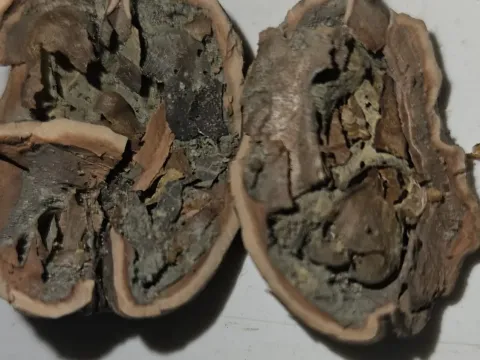
Fruit symptoms include dark, sunken spots on the husk. If the infection reaches the nut, it can lead to decay, poor kernel development, and susceptibility to secondary mold infections.
The development of walnut alternaria is strongly favored by warm temperatures, typically ranging from +20°C to +28°C, and high relative humidity levels, especially after rainfall.
Dense orchard canopies that lack proper airflow and light penetration create a microclimate that traps moisture, making such trees highly susceptible to infection outbreaks.
Trees subjected to environmental stress, drought, or nutrient deficiencies are generally more susceptible. Poor orchard hygiene, such as leaving leaf litter on the ground, increases the inoculum pressure.
Persistent wet periods, especially during the spring leaf-out phase or during fruit maturation, are critical times for rapid spread of the disease within an orchard.
Orchards located in low-lying areas with poor drainage are more prone to high humidity, which promotes the growth and dispersal of fungal spores.
The primary impact of the disease is the loss of photosynthetic surface area due to premature defoliation. This weakens the tree and reduces the carbohydrate reserves stored for the following season.
Trees affected by severe alternaria leaf spot often show reduced cold hardiness, making them vulnerable to winter injury and late spring frosts.
Fruit quality is significantly compromised. Infected hulls lead to lower market value, and in severe cases, the entire nut might be discarded due to kernel spoilage.
Long-term infestation results in stunted growth, dieback of skeletal branches, and a noticeable decline in overall annual nut yields across the entire plantation.
Management costs increase substantially due to the necessity of repeated fungicide applications and intensive orchard sanitation programs required to keep the infection under control.
The cornerstone of control is strict orchard sanitation. Raking and destroying (burning or composting under controlled conditions) all fallen leaves and infected fruit is essential to remove overwintering sites.
Pruning is critical to open the canopy, allowing better air circulation and sunlight penetration, which helps keep the foliage dry and prevents fungal growth.
Preventive fungicide treatments, including copper-based products, should be applied during the dormant stage and at the beginning of the growing season to minimize the initial inoculum.
- Choosing disease-resistant or tolerant walnut varieties.
- Balanced nutrient management to promote vigorous tree health.
- Monitoring and control of insect pests that damage leaf and fruit surfaces.
If an outbreak occurs, systemic fungicides from groups like strobilurins or triazoles may be applied, alternating modes of action to prevent the development of resistant fungal populations.