
Acarocybella jasminicola
Acarocybella jasminicola
The causative agent of the disease is the microscopic fungus Acarocybella jasminicola. This pathogen belongs to the group of fungi that specialize in infecting various shrubs and woody plants, with jasmine being a primary host.
What the section contains
Acarocybella jasminicola
The fungus completes its life cycle within the host tissues, producing spores that facilitate its spread. These conidia are easily dispersed by wind, rain splashes, and contact with contaminated gardening tools.
The pathogen can persist for long periods in plant debris, surviving under various environmental conditions until a susceptible host becomes available.
Development is highly dependent on environmental factors, specifically high moisture and moderate temperatures, which trigger the germination of fungal spores on plant surfaces.
Researching the biology of Acarocybella jasminicola is essential for accurate identification, as its symptoms can often overlap with those of other common leaf-spotting fungi.
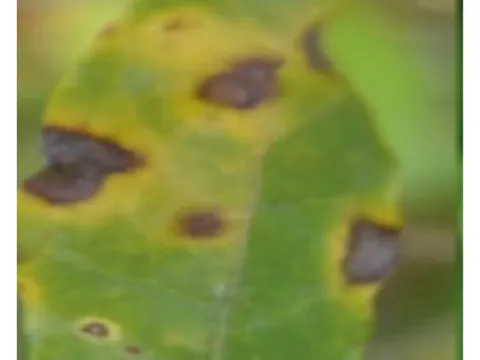
The primary symptom of the infection is the appearance of characteristic spots on jasmine leaves. Initially, these appear as small, light-colored dots that gradually expand in size.
As the disease progresses, the spots darken and may develop concentric zones, eventually leading to tissue necrosis. This often causes the surrounding leaf tissue to turn yellow and wither.
A subtle fungal growth or layer of spores can often be observed on the underside of the leaf or within the central area of the lesions, especially during periods of high humidity.
Advanced stages of the disease lead to leaf curling, premature leaf drop, and the stunting of young shoots. Affected branches may show signs of tissue dieback.
- Necrotic spots appearing on the leaves.
- Fungal sporulation visible on damaged surfaces.
- Premature yellowing and leaf fall.
- Deformation of stems and young growth.
The development of Acarocybella jasminicola is favored by high relative humidity, typically exceeding 70-80%. Such conditions provide the necessary moisture for the pathogen to thrive.
Dense planting or poor pruning practices limit air circulation around the plants, creating a stagnant microclimate that accelerates the spread of the infection.
Temperatures ranging from +18°C to +24°C are optimal for the fungus's metabolic activity. While extreme heat may slow down its spread, persistent moisture keeps the risk high.
Plants that are nutrient-deficient or suffering from environmental stress exhibit weaker immune responses, making them much more susceptible to colonization by this fungus.
Water retention on the foliage overnight is a major trigger for infection, emphasizing the importance of morning irrigation or targeted root-level watering.
The primary damage caused by the disease is the significant reduction in the ornamental value of jasmine plants, which is a major concern for landscape maintenance.
Extensive leaf damage interferes with photosynthesis, causing the plant to lose the vigor required for growth and flowering in subsequent seasons.
Severely infected specimens exhibit stunted development and may experience dieback of smaller twigs, leading to an irregular and unattractive plant structure.
Without intervention, the cumulative effect of the disease can weaken the plant's structural integrity and make it more susceptible to other pests or winter cold damage.
The economic impact is manifested through the cost of repeated fungicide applications and the potential need to replace entire plants if the infection becomes systemic.
Sanitation is the first line of defense; it is crucial to remove and properly dispose of all infected foliage and twigs to reduce the inoculum load in the garden.
Improving plant health through proper spacing and regular pruning ensures better airflow, which significantly reduces the likelihood of the fungus finding a favorable environment.
Chemical control involving the application of appropriate fungicides can be effective if used as a preventative or early-intervention measure. It is important to rotate products to avoid resistance.
Balanced fertilization programs support the plant's natural defenses, creating a stronger cuticle that is less likely to be penetrated by fungal hyphae.
Implementing irrigation techniques that keep the foliage dry, such as drip irrigation or careful watering at the base, is highly recommended to manage and suppress the disease.