
Acarosporomycetidae
Acarosporomycetidae
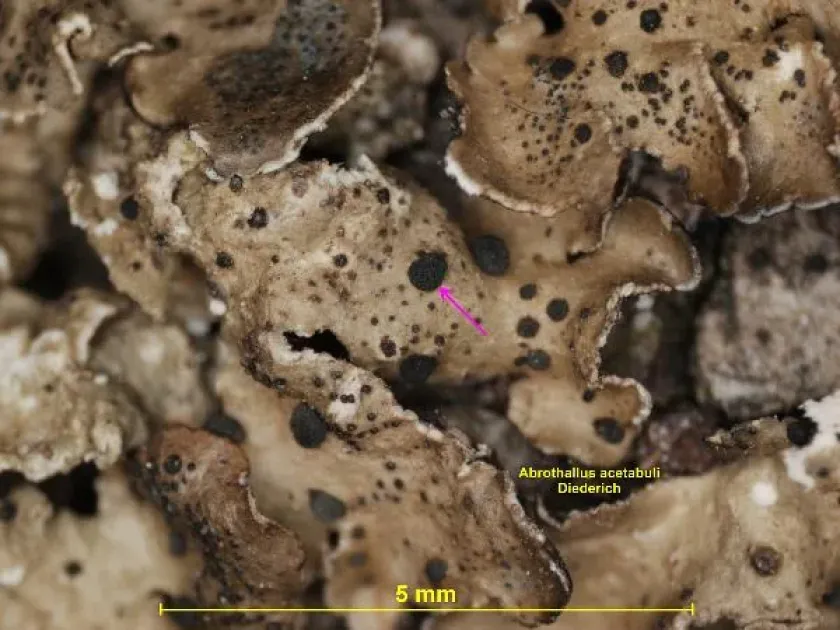
Description
Pathogen
Acarosporomycetidae is a subclass of fungi within the Ascomycota phylum. It is essential to clarify that these organisms are not plant pathogens and do not cause diseases in agricultural crops.
These fungi are primarily lichenized, meaning they exist in a symbiotic relationship with algal or cyanobacterial partners. The fungal component, known as the mycobiont, provides structural support and protection for the photobiont.
Morphologically, they often present as crustose lichens that adhere closely to substrates like rock surfaces. Their apothecia, the reproductive structures, are typically immersed within the thallus, which is a key taxonomic marker.
These organisms rely on nutrients generated through the photosynthesis of their algal partners. They do not parasitize vascular plants or interfere with the physiological processes of agricultural vegetation.
The biology of Acarosporomycetidae is defined by slow growth rates and high resilience to environmental stressors, distinguishing them from common fungal pathogens that require host tissues for survival.
Conditions for development
Acarosporomycetidae thrive in extreme and nutrient-poor environments. They are most commonly found on rocky substrates, boulders, and in alpine or arid regions where conditions are too harsh for most plants.
Developmental requirements include direct sunlight and a stable inorganic substrate. They serve as pioneer species, facilitating soil formation by chemically weathering the rocks they inhabit.
These fungi exhibit extraordinary tolerance to desiccation and extreme temperature fluctuations. This adaptation allows them to persist in harsh climates where moisture availability is highly inconsistent.
In agricultural settings, their presence is negligible. They do not pose a threat to fields, orchards, or greenhouses, as they occupy ecological niches far removed from cultivated plant species.
There are no protective measures required against them, as Acarosporomycetidae do not possess the biological capacity to harm cultivated plants or impair agricultural production systems.
Discussion
No discussions yet — be the first.