
Gloeocapsa
Gloeocapsa
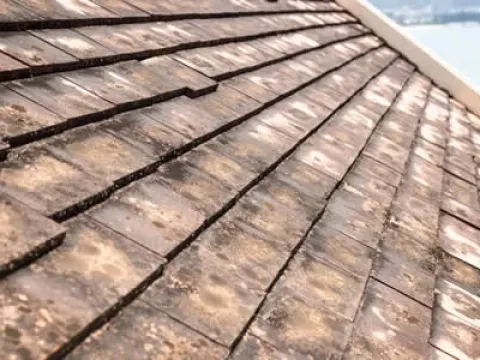
Gloeocapsa appears as a slimy or gelatinous coating on various surfaces, including tree bark, stone structures, and moist plant tissues.
What the section contains
Gloeocapsa
The colonies are often visible as slippery, discolored patches that dry into a thin, shiny, and sometimes crusty film.
Under a microscope, Gloeocapsa is distinguished by individual cells surrounded by distinct, concentric layers of mucilaginous sheaths.
The color can range from blue-green to brown or even black, depending on the pigments present and environmental exposure.
In severe cases, the biofilm thickens and collects debris, which can obscure the natural appearance of the substrate or plant surface.
Gloeocapsa is a genus of cyanobacteria (blue-green algae) capable of photosynthesis and thriving in diverse environments.
Each cell is protected by a thick, gelatinous envelope that retains water and shields the organism from harmful UV radiation.
Reproduction occurs through cellular division, with daughter cells remaining encapsulated within the communal slime layer.
This organism can enter a dormant state during dry periods, allowing it to survive extreme environmental stress for extended durations.
Biologically, it acts as an autotroph, utilizing solar energy to synthesize organic compounds from carbon dioxide and water.
The primary driver for the development of Gloeocapsa is high humidity or persistent moisture on the surface of the substrate.
It thrives in shaded areas where lack of direct sunlight prevents the rapid evaporation of surface water, fostering a moist microclimate.
Accumulation of organic dust, plant exudates, or debris provides essential nutrients that accelerate the expansion of colonies.
The organism is adaptable to various temperatures, growing most actively in moderate conditions between 15 and 25 degrees Celsius.
Poor air circulation and dense canopy structures significantly contribute to stagnant humidity, promoting the spread of the biofilm.
The accumulation of slime films can physically block plant stomata, leading to reduced gas exchange and impaired photosynthetic activity.
These biofilms create a moist niche that supports the growth of secondary pathogens, including various bacteria and harmful fungi.
The aesthetic value of ornamental plants is severely diminished by the presence of unsightly, slimy, or discolored coatings.
Prolonged presence on tree bark can lead to the deterioration of surface tissues and provide a base for moss or lichen colonization.
On greenhouse surfaces, the biofilm acts as a filter that reduces light transmission, negatively impacting crop growth and productivity.
Improving air ventilation and ensuring proper spacing between plants is critical to reducing surface moisture and biofilm development.
Mechanical removal using high-pressure water sprays or manual scrubbing is an effective way to clear existing colonies.
Copper-based fungicides and algaecides can be applied to non-porous surfaces to inhibit the re-establishment of cyanobacterial colonies.
Pruning branches to increase sunlight penetration helps create an environment less favorable for the growth of moisture-loving algae.
Regular sanitation of tools, greenhouse structures, and irrigation equipment is essential to prevent the spread of vegetative fragments.