
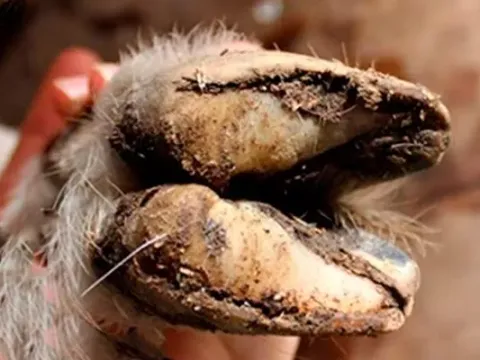
Foot rot
Dichelobacter
The causative agent of this condition is Dichelobacter nodosus, an obligate anaerobic bacterium that specifically targets the hoof tissue of ungulates.
What the section contains
Foot rot
It is crucial to clarify that Dichelobacter nodosus is an animal pathogen; it is not related to any plant diseases, despite the search query focus.
The bacterium is a highly specialized parasite that relies on the hoof environment to survive. It lacks the ability to persist for long periods in the environment without a host.
Transmission occurs through direct contact with infected hooves or contaminated surfaces. The bacteria can thrive in the moist conditions within the interdigital skin.
The pathogenesis involves the secretion of extracellular proteases by the bacteria, which break down the hoof horn and cause separation of the hoof from the soft tissue.
Lameness is the primary clinical sign, which can vary from a slight limp to an inability to place any weight on the affected limb.
Clinical examination typically reveals inflammation, redness, and swelling in the interdigital space. The area often appears moist and irritated.
A distinctive, foul-smelling odor is a hallmark of this condition, resulting from the anaerobic bacterial degradation of the hoof tissues and surrounding skin.
In advanced stages, the hoof horn begins to detach from the underlying corium, often resulting in severe ulceration and the production of a purulent discharge.
Long-term infections can lead to permanent structural damage to the hoof capsule, significant pain, and reduced mobility of the animal.
High environmental moisture is the most significant factor facilitating the spread and development of the disease in livestock populations.
The bacteria thrive in warm, damp conditions, typically occurring during wet seasons when pasture soil becomes waterlogged or animal housing lacks adequate drainage.
Physical trauma or constant soaking of the hooves weakens the natural barrier of the skin, providing an entry point for the Dichelobacter nodosus bacteria.
Crowding animals in confined areas promotes rapid transmission, as infected individuals contaminate the shared floor space with the pathogen.
Poor hygiene and the accumulation of manure in holding pens contribute to the survival of the bacteria and increase the likelihood of recurring outbreaks.
The impact of foot rot on livestock farming is severe, leading to substantial economic losses due to decreased animal productivity.
Affected animals exhibit reduced grazing time and loss of appetite, which results in significant weight loss and poor growth performance in younger stock.
Lactating animals suffer from decreased milk yield, which directly impacts the financial stability of dairy and sheep operations.
Treatment costs are substantial, involving veterinary services, antimicrobial supplies, and the labor-intensive process of hoof trimming and disinfection.
In extreme cases, persistent infection leads to culling or the loss of valuable genetic stock, which damages long-term breeding objectives.
Effective management requires a strict program of hoof care, including regular inspection and trimming to identify and treat early lesions.
Footbaths containing copper sulfate or zinc sulfate solutions are a standard preventative measure to harden the hoof and reduce the bacterial load.
- Strict quarantine protocols for incoming animals.
- Isolation of infected individuals from the healthy herd.
- Environmental management to ensure dry bedding areas.
- Disinfection of hoof trimming tools between animals.
- Vaccination programs where effective vaccines are available.