
Frankia alni
Frankia alni
Description
Symptoms
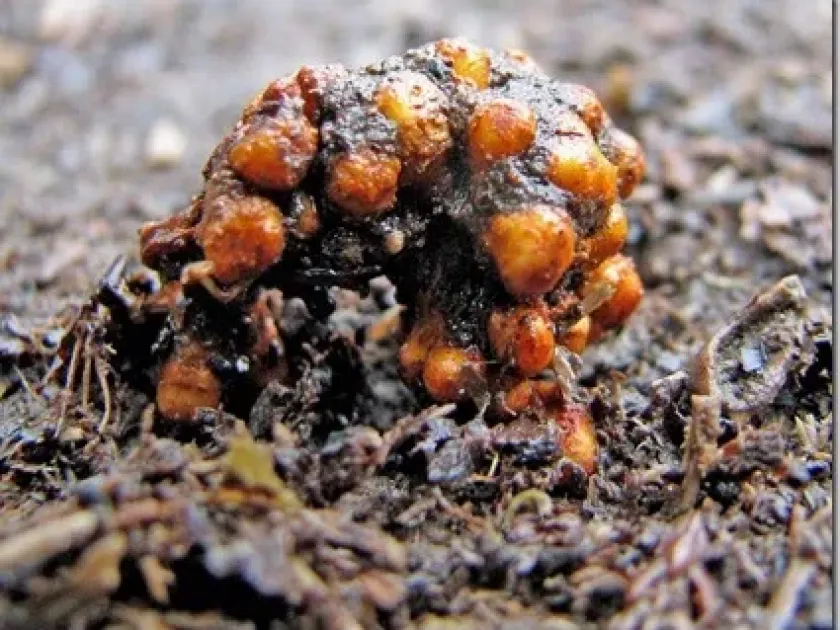
The presence of Frankia alni is characterized by the formation of actinorhizal nodules, which are distinct from the nodules found in legume species.
These nodules often appear as woody, coral-like, or branched structures clustered around the base of the root system or on fine lateral roots.
In addition to root structures, trees colonized by Frankia alni display vigorous shoot growth and healthy, dark green foliage throughout the growing season.
The size and distribution of these nodules can vary depending on the age of the tree and the specific environmental conditions of the soil.
Visual identification of these nodules on seedling roots is a standard method used by forestry practitioners to ensure successful colonization before outplanting.
Pathogen
Frankia alni is a filamentous, Gram-positive soil bacterium known as an actinomycete, which forms a mutualistic symbiotic relationship with various plants, primarily the alder (Alnus) genus.
It is not a pathogen; rather, it is a specialized microsymbiont capable of fixing atmospheric nitrogen within root nodules, providing essential nutrients to its host tree.
The infection process starts when the bacterium induces morphological changes in the host root, leading to the development of complex, multi-lobed root nodules.
Inside these nodules, Frankia alni differentiates into specialized structures called vesicles, where the nitrogenase enzyme is protected from oxygen to facilitate nitrogen conversion.
This biological mechanism allows alder trees to colonize and thrive in nitrogen-poor soils, making Frankia alni an essential component of ecological succession.
Conditions for development
Successful colonization of roots by Frankia alni requires specific soil conditions, including adequate moisture and sufficient oxygen for metabolic activity.
The bacterium is highly sensitive to soil pH, generally preferring neutral or slightly acidic environments to optimize nitrogen fixation efficiency.
Soil temperature is another critical factor, as warm and temperate climates stimulate both root growth and bacterial metabolic rates within the nodules.
Availability of host plant signaling molecules, such as flavonoids, is necessary for the initial recognition and infection process of the root hairs.
High concentrations of inorganic nitrogen in the soil can suppress the development of nodules, as the tree may decrease the investment in bacterial symbiosis.
Why it matters
There is no harm associated with Frankia alni; it is a beneficial organism that provides significant ecological advantages to the host plant.
By fixing nitrogen, it increases soil fertility, which benefits not only the alder tree but also surrounding vegetation through nitrogen cycling.
The symbiotic relationship is highly stable, and the energy cost to the plant is outweighed by the access to unlimited atmospheric nitrogen.
There are no recorded instances where Frankia alni acts as a disease or causes detrimental damage to the tree's health or vitality.
It serves as a critical biological partner that sustains forest productivity, particularly in disturbed or reclaimed land areas.
Protection
Control measures are not applicable as Frankia alni is a beneficial symbiont that supports tree growth rather than a pest or pathogen.
Forestry management practices focus on promoting the presence of this bacterium through the inoculation of nurseries to ensure tree survival and growth.
Practitioners should avoid the use of harsh soil disinfectants or excessive chemicals that could negatively impact soil health and microbial diversity.
Maintenance of natural soil conditions and healthy rhizosphere environments is the best way to support this beneficial actinorhizal association.
In cases of ecological restoration, the deliberate introduction of Frankia alni strains is encouraged to accelerate the establishment of native alder populations.
Discussion
No discussions yet — be the first.