
Flexibacteriosis of fish
Flexibacter maritimus
Description
Symptoms
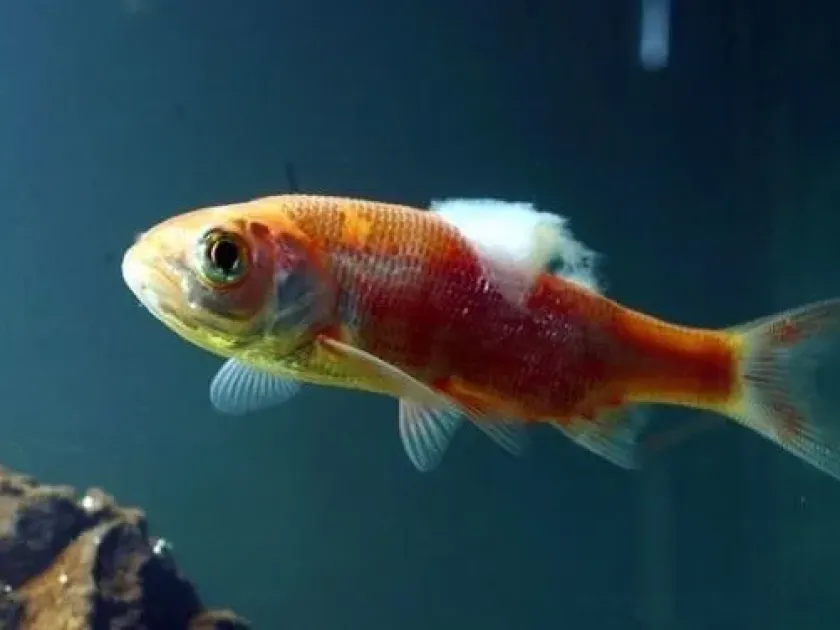
The primary clinical signs of flexibacteriosis include erosive skin lesions. Initial symptoms appear as white patches or plaques around the mouth, fins, and gill covers, eventually progressing into open ulcers.
Fin necrosis is a hallmark of the infection, where the fins become frayed, discolored, and eventually disintegrate. Scaleless areas of the body may also exhibit significant tissue sloughing.
Affected fish often show behavioral changes, such as lethargy, loss of appetite, and spending excessive time near the surface or along the sides of the containment unit.
As the infection advances, deep ulcers expose the underlying musculature, leading to severe physiological stress and making the fish highly susceptible to secondary fungal or opportunistic bacterial infections.
Microscopic examination of smears taken from the edges of the lesions typically reveals long, filamentous bacterial cells, confirming the presence of Flexibacter maritimus.
Pathogen
The causative agent of this disease is the Gram-negative bacterium Flexibacter maritimus, now frequently reclassified as Tenacibaculum maritimum. It is a filamentous, gliding bacterium belonging to the Flavobacteriaceae family.
This pathogen is primarily known for causing skin and fin erosion in various marine and brackish-water fish species. The bacteria produce extracellular enzymes that degrade collagen and destroy epithelial tissues.
The organism persists in the water column and organic sediments. Within aquaculture systems, it can rapidly colonize surfaces and spread among fish populations under conditions of high density.
The life cycle of the pathogen is highly dependent on environmental organic load. It can remain viable in the environment for extended periods, waiting for a suitable host.
A distinctive biological feature of this pathogen is its strong adherence to fish tissues, which facilitates infection and protects the bacteria from some traditional chemical water treatments.
Conditions for development
Disease outbreaks are strongly correlated with water temperature. The pathogen exhibits peak virulence and rapid growth in warmer waters, typically above 15–20 degrees Celsius.
High stocking density is the most critical environmental stressor that facilitates the rapid spread of the bacteria among the fish population through horizontal transmission.
Water quality degradation, particularly high levels of ammonia, nitrite, or accumulated organic waste, suppresses the fish immune system and compromises the protective mucus layer.
Physical stressors, such as handling, grading, transport, or sudden shifts in salinity, act as triggers for the outbreak of latent infections in commercial aquaculture farms.
Nutritional status plays a vital role; fish receiving deficient diets or having poor metabolic health are significantly more prone to bacterial adhesion and tissue colonization by the pathogen.
Why it matters
Flexibacteriosis poses a severe economic threat to the aquaculture industry, often resulting in high mortality rates across various life stages, from fry to market-sized fish.
The disease significantly diminishes the market value of the product. The damage to skin and fins results in fish that are aesthetically unacceptable for retail or premium markets.
Infected populations show impaired growth performance and poor feed conversion rates, leading to increased production costs and lower overall profitability for the farm.
Outbreaks can lead to significant direct financial losses, not only due to mortality but also from the costs associated with emergency veterinary interventions and farm-wide disinfection.
Chronic presence of the pathogen in a system can destabilize production schedules and increase the long-term reliance on therapeutic interventions, which is unsustainable.
Protection
Successful management relies on maintaining high water quality and reducing stocking density. Effective filtration and sanitation of water supply systems are key to prevention.
If an outbreak occurs, affected fish should be isolated immediately, and the affected tanks disinfected. Therapeutic baths with approved antibacterial agents can be effective if applied early.
Systemic antibiotic treatment may be required in severe cases, delivered via feed or immersion, always strictly adhering to veterinary protocols and withdrawal periods to ensure food safety.
Preventative strategies include routine microbiological monitoring, vaccination where applicable, and the use of immunomodulatory additives in feed to bolster the fish's natural defenses.
- Maintain optimal water parameters (ammonia, nitrite levels).
- Implement strict quarantine protocols for new stock.
- Avoid overstocking of tanks or pens.
- Prompt removal of dead or moribund fish to reduce pathogen load.
Discussion
No discussions yet — be the first.