
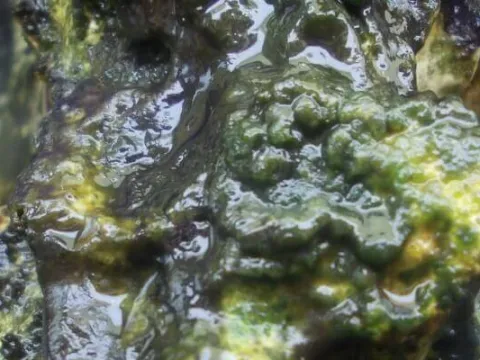
Cylindrospermum
Cylindrospermum
Cylindrospermum is a genus of filamentous cyanobacteria belonging to the family Nostocaceae. While not traditional plant pathogens, these organisms significantly influence the soil microbiome in agricultural systems.
What the section contains
Cylindrospermum
These cyanobacteria are characterized by their ability to fix atmospheric nitrogen via heterocysts and produce resilient spores called akinetes, which allow them to persist in the soil during adverse conditions.
In agronomic terms, Cylindrospermum is part of the soil algoflora. While they can contribute to nitrogen fixation, their excessive proliferation can create competitive stress for young crops.
Unlike parasitic fungi that infect plant tissues directly, these organisms live on the soil surface, influencing the interface between the soil and the developing plant seedlings.
Research indicates that some species within this genus can produce bioactive compounds or toxins, which, when concentrated in the rhizosphere, may hinder root development in sensitive agricultural plants.
The development of Cylindrospermum is primarily driven by soil moisture levels. They thrive in waterlogged, poorly drained soils where standing water accumulates after heavy precipitation.
Adequate sunlight exposure is essential for their photosynthetic activity. Therefore, colonization is most frequent in open fields, greenhouses, or areas with poor canopy cover.
Soil compaction is a major contributing factor to the rapid spreading of these cyanobacteria. Lack of oxygen in the upper soil profile promotes their dominance over other beneficial microorganisms.
Optimal pH levels for their growth are generally neutral to slightly alkaline. In acidic soil conditions, their colonization activity is typically suppressed, limiting their spread.
When the soil dries out, Cylindrospermum enters a dormant state by forming akinetes. These spores can remain viable for years, waiting for the next cycle of high moisture to reactivate.
The main issue caused by Cylindrospermum is the formation of a dense biological crust on the soil surface. This crust physically impedes aeration and oxygen supply to the roots of agricultural crops.
This surface seal interferes with water infiltration, leading to water stagnation on the soil surface, which can drown seedlings or promote root-rot pathogens in high-moisture conditions.
The algal mat competes for essential nutrients in the topsoil layer, which is critical for seedling nutrition. This can lead to stunted growth or nutrient deficiency symptoms in early crop development stages.
The release of metabolic substances by these cyanobacteria can disrupt the balance of the soil microbial community, potentially inhibiting the growth of beneficial symbiotic fungi or bacteria.
In intensive farming, the accumulation of algal biomass complicates field operations, such as inter-row cultivation, and reduces the efficiency of soil management practices.
The most effective strategy for managing Cylindrospermum is to improve field drainage. Preventing water accumulation on the soil surface is the most successful preventative measure.
Regular cultivation and inter-row hoeing are essential to break up the surface crust. This practice incorporates the algae into deeper, darker soil layers, effectively stopping their photosynthesis.
Implementing crop rotations that ensure quick canopy closure can shade the soil surface, effectively suppressing algal growth by limiting their access to sunlight.
Balanced fertilization practices are recommended to avoid an excess of available phosphorus in the topsoil, which often stimulates the bloom of cyanobacteria and other soil algae.
In extreme cases, modifying soil physical properties by adding sand or organic amendments can improve porosity, making the environment less favorable for the colonization of Cylindrospermum.