
Cyanobacterial bloom
Cyanobacteriaceae
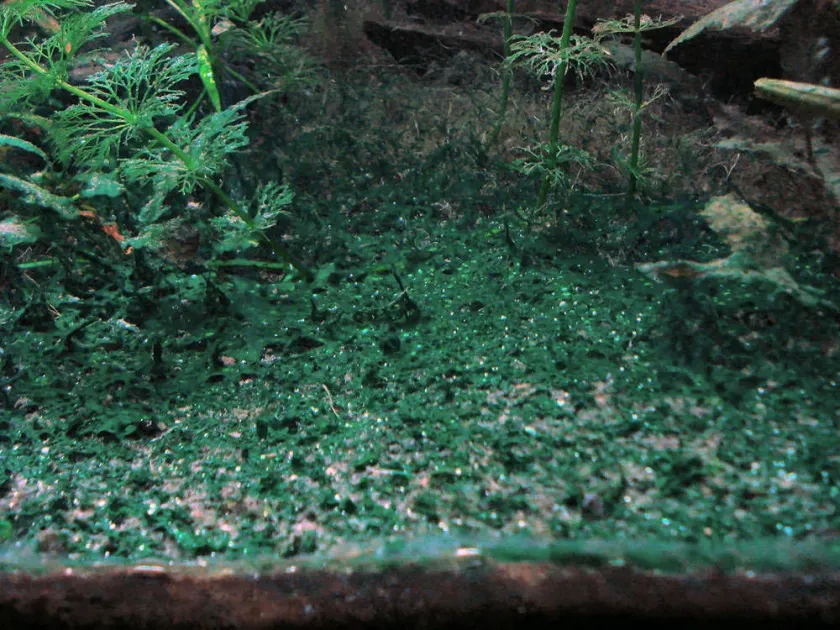
Description
Symptoms
The first indicator of a cyanobacterial bloom is the appearance of a thin, dark blue-green or olive-colored layer on the surface of the growing medium or greenhouse soil.
As the colonies mature, the layer develops a characteristic jelly-like or slimy texture that appears wet even when the underlying soil has begun to dry out.
Upon dehydration, the bloom often transforms into a brittle, cracked crust that seals the soil surface and acts as a physical barrier to water infiltration.
Plants affected by this growth may show signs of yellowing lower leaves, stunted growth, or wilting, particularly when the bloom surrounds the base of the stem.
- Development of a slimy, discolored surface film.
- Formation of a hard crust upon drying.
- Poor drainage and soil compaction symptoms.
Pathogen
The causative agents are various species of the Cyanobacteria phylum, which are photosynthetic prokaryotic organisms capable of forming dense, slimy colonies on damp surfaces.
These organisms are not true plant pathogens but act as opportunistic colonizers that thrive in environments where moisture and light are consistently available.
Their biological structure allows them to form biofilms that can seal the surface of the soil, preventing proper aeration and gas exchange for the plant's root system.
Cyanobacteria are widespread in greenhouse environments, where the combination of artificial light and humidity supports their continuous proliferation throughout the year.
They possess the ability to fix atmospheric nitrogen, which can lead to an accumulation of nutrients on the surface, potentially altering the chemical balance of the growing medium.
Conditions for development
The primary factor for the development of cyanobacterial blooms is excessive soil moisture combined with poor drainage in pots or nursery trays.
High levels of light, particularly in greenhouses or under indoor grow lights, act as a primary energy source that fuels the rapid growth of these photosynthetic organisms.
The use of soil-less growing media with high mineral content often lacks competitive beneficial microorganisms, making the surface susceptible to algal colonization.
Poor ventilation and high relative humidity in the growing area prevent the surface of the soil from drying out sufficiently, creating a permanent habitat for cyanobacteria.
Over-fertilization, especially with surface-applied nitrogen, provides an abundance of resources that accelerate the expansion of the algal mat across the soil surface.
Why it matters
The bloom poses a significant risk to plant health by restricting oxygen movement into the soil, essentially causing the roots to suffocate in poorly aerated conditions.
Cyanobacterial colonies can release metabolic by-products that inhibit the germination of seeds and the overall growth of young seedlings in nursery environments.
The surface crust disrupts water distribution during irrigation, leading to localized dry spots in the root zone while the surface remains perpetually waterlogged.
The slimy surface provides a breeding ground for various pests, such as fungus gnats, whose larvae feed on organic matter and potentially attack tender root systems.
The presence of the bloom complicates routine irrigation and fertilization, making it difficult to maintain a consistent environment for healthy plant development.
Protection
The most effective strategy is to adjust irrigation habits, allowing the top layer of the soil to dry out completely between watering sessions to suppress growth.
Regular cultivation or stirring of the topsoil layer disrupts the structure of the colonies and prevents the formation of a persistent, light-blocking surface film.
Top-dressing the soil with a thin layer of fine, dry sand or perlite creates a physical barrier that deprives the cyanobacteria of the light they need for photosynthesis.
Improving greenhouse ventilation and air circulation helps to reduce humidity levels, facilitating faster surface drying and discouraging the spread of the bloom.
In cases of severe infestation, scraping off the top layer of contaminated soil and replacing it with fresh medium can help restore the health of the container environment.
Discussion
No discussions yet — be the first.