
Cupriavidus metallidurans
Cupriavidus metallidurans
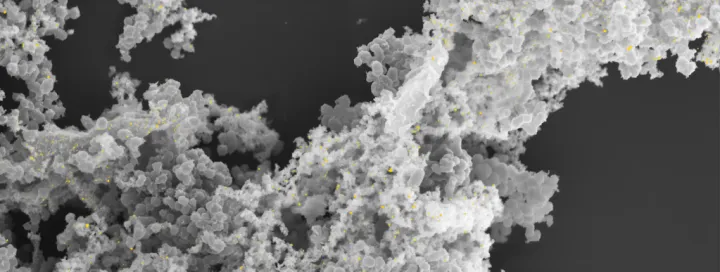
Description
Pathogen
Cupriavidus metallidurans is a Gram-negative bacterium that is not a plant pathogen. It is a well-known soil microorganism that has evolved to survive in extreme environments containing high concentrations of heavy metals.
The bacterium is recognized in science primarily for its genetic systems that allow it to detoxify heavy metals such as cadmium, cobalt, copper, and zinc. It does not cause diseases or damage to agricultural crops.
Unlike phytopathogenic bacteria, C. metallidurans does not infect plant tissues, nor does it disrupt plant growth through virulence factors. It is essentially an environmental bacterium.
It occupies specific ecological niches in polluted soils where other microorganisms struggle to survive, effectively serving as a bio-indicator for soil contamination.
Current research focuses on its potential role in bioremediation, as the bacterium can accumulate metals from soil, potentially cleaning up contaminated areas for future agricultural use.
Conditions for development
The development of Cupriavidus metallidurans is strictly correlated with the presence of heavy metal ions in the soil solution. High levels of these ions activate specific resistance genes within the bacterial genome.
The organism thrives in neutral to slightly alkaline soil conditions. It is aerobic and requires adequate soil moisture and oxygenation to maintain active metabolic processes.
Its spread is typically associated with the movement of water, industrial runoff, or agricultural machinery transporting contaminated soil particles across different field areas.
The optimal temperature range for the bacterium's metabolism is between 25 and 30 degrees Celsius, making it most active during the spring and summer seasons.
It can form biofilms on soil particles and root surfaces, which further stabilizes its population in challenging environments with fluctuating chemical compositions.
Why it matters
There is no evidence of harm to plant health caused by Cupriavidus metallidurans. It is not associated with any wilting, necrosis, or systemic plant diseases.
In fact, the presence of this bacterium is usually a response to existing soil chemical issues rather than the cause of a disease. Growers should not mistake this bacterium for a threat to their harvest.
Any loss in crop yield occurring in the presence of this bacterium should be attributed to the underlying soil toxicity or poor nutritional management, not to the bacterium itself.
Because it is a non-pathogenic inhabitant of the soil microbiome, it does not compete with healthy plant systems and remains harmless throughout the plant's life cycle.
The danger is solely environmental—it indicates that the soil may be unsuitable for sensitive crops due to heavy metal content, which is the actual limiting factor for production.
Protection
No protective measures or chemical treatments are required for this bacterium. The use of pesticides or bactericides to eliminate it is unnecessary and ecologically counterproductive.
If high levels of Cupriavidus metallidurans are detected, the recommended strategy is to perform comprehensive soil testing to determine the concentration of heavy metals.
Management practices should focus on soil remediation, such as the application of organic matter or lime, which can immobilize heavy metals and improve soil safety.
Preventative actions include avoiding the use of contaminated fertilizers or irrigation water that might contain industrial waste, ensuring the long-term health of the soil profile.
Maintaining a balanced soil ecosystem through crop rotation and proper nutrient management is the most effective approach to managing the soil environment where this bacterium is found.
Discussion
No discussions yet — be the first.