
Cyanobacteria
Cyanobacteria
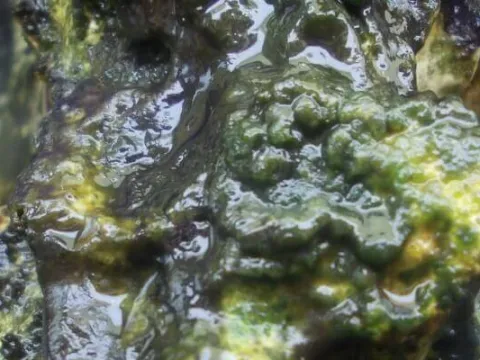
The most common sign of cyanobacteria presence is a dark green, bluish, or black crust forming on the soil surface. This layer is often rubbery when wet and cracks into brittle flakes when dry.
What the section contains
Cyanobacteria
In greenhouses and hydroponic systems, they appear as slimy, gelatinous films on the substrate, pots, or irrigation lines. This slime restricts water penetration and air exchange.
Seedlings growing in affected soil often show stunted development. The presence of the crust near the stem base can cause damping-off symptoms or rot due to excessive moisture retention.
A characteristic musty or swampy odor is frequently associated with large colonies of these organisms. It indicates high biological activity and potential issues with substrate health.
Visual observation of a vivid green color on the surface, especially after irrigation, is a primary diagnostic indicator for the presence of dense algal and cyanobacterial populations.
Cyanobacteria are photoautotrophic prokaryotes capable of photosynthesis. They occupy the soil surface and thrive by utilizing light and atmospheric nitrogen.
These organisms secrete extracellular polymeric substances (EPS), which act as a glue. This creates a physical barrier that seals the soil surface, hindering gas exchange.
Biologically, they are highly resilient. They can survive prolonged desiccation by forming dormant stages and resume activity immediately upon rehydration.
In agricultural settings, they act as primary colonizers. Their presence alters the micro-environment of the topsoil, influencing the development of other soil microorganisms.
Some species are capable of nitrogen fixation, yet their primary impact in intense crop production is the physical and chemical alteration of the substrate surface.
High moisture levels are the main driver for cyanobacteria proliferation. Soils that remain constantly damp or waterlogged provide the perfect habitat for rapid colony expansion.
Light availability is crucial. Surface exposure to direct sunlight or high-intensity grow lights in greenhouses triggers rapid photosynthesis and biomass accumulation.
Excessive use of nitrogen and phosphorus fertilizers leads to surface nutrient enrichment, facilitating the rapid growth of these opportunistic microorganisms.
Poor soil aeration and compaction prevent water drainage, creating the stagnant conditions where cyanobacteria become dominant over beneficial soil biota.
High temperatures combined with humidity accelerate the life cycle of these organisms, leading to massive blooms in a short timeframe.
The primary damage is the creation of a physical surface seal. This prevents oxygen from reaching the root zone, leading to root suffocation and poor plant vigor.
The secretion of cyanotoxins can be harmful to germinating seeds and developing root systems. This chemical stress reduces overall crop uniformity and yield potential.
In greenhouses, the slimy layer blocks water from infiltrating the substrate, leading to localized dry spots and inefficient irrigation management.
Cyanobacteria promote the development of other pathogens by providing organic debris and moisture-rich micro-environments for fungi and bacteria to thrive.
Large-scale infestations increase management costs significantly, requiring extra labor for surface maintenance and the application of specialized treatments.
Regular cultivation and loosening of the topsoil are the most effective mechanical methods to disrupt the algal crust and restore aeration.
Mulching is a highly recommended preventive strategy. Covering the soil surface prevents light penetration, effectively inhibiting the growth of photosynthetic organisms.
Managing water usage by adopting drip irrigation or bottom watering helps keep the surface dry, which is essential to prevent colony regrowth.
In professional settings, the application of registered algicides or specific copper-based compounds can be used to control acute outbreaks in greenhouses.
- Use high-quality, filtered water for irrigation.
- Monitor fertilizer rates to avoid surface nutrient runoff.
- Ensure proper greenhouse ventilation to lower humidity levels.