
Cirsium phyllody
Cirsium phyllody
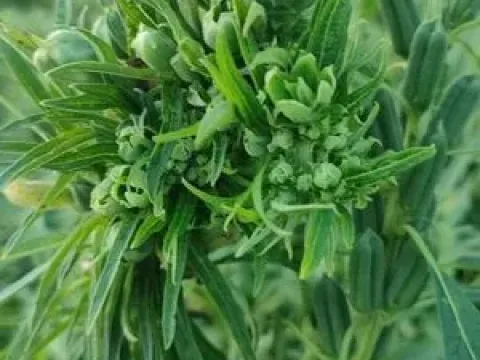
The primary external sign of the disease is the pathological transformation of the plant's floral organs. Instead of normal tubular flowers on the Cirsium flower heads, green leaf-like structures that resemble regular foliage are formed.
What the section contains
Cirsium phyllody
The inflorescences develop an atypical, deformed shape and lose the ability to pollinate or produce seeds. Plants appear visibly denser and take on a bushy appearance due to the excessive formation of small secondary shoots.
A change in the color of the affected parts is observed, as they often become intensely green or chlorotic. In some cases, stem growth may be stunted, leading to the overall dwarfing of the infected plant.
Changes affect the reproductive organs, converting typical Cirsium flower heads into vegetative structures. This process represents a deep disruption of morphogenesis, triggered by the reprogramming of the host plant's hormonal system.
Diagnosis of the disease is difficult in the early stages, as symptoms become fully manifest only during the flowering period. It is only during the head-formation phase that the infection becomes obvious to the agronomist.
The pathogen responsible for Cirsium phyllody is phytoplasma — specialized obligate intracellular parasites. These microorganisms lack a cell wall and reside primarily in the phloem tissue of the host plants.
Phytoplasmas belong to the class Mollicutes and require specific conditions for survival. They cannot be cultured on standard artificial growth media, which makes their laboratory study particularly challenging.
This type of pathogen is classified as a systemic infection that spreads throughout the plant's organism via the vascular system. After penetration, the pathogen begins to multiply actively within the phloem cells.
The vectors for phytoplasma infections are usually sap-sucking insects, particularly leafhoppers. While feeding on the sap of an infected plant, they ingest the phytoplasma and transmit it to healthy individuals during subsequent feeding sessions.
The disease has a chronic nature, as perennial weeds like Cirsium act as infection reservoirs during the winter. The pathogen persists in their roots until the start of the new growing season.
The spread of phyllody directly depends on the population dynamics of the insect vectors. In years with high leafhopper populations, mass infection of areas occupied by weeds is observed.
Favorable weather conditions that promote vector reproduction significantly increase the risk of epiphytotics. A warm and humid spring creates an ideal microclimate for insect activation and the subsequent transmission of the pathogen.
The presence of large areas of weed-infested fields is a critical factor for the persistence of the pathogen. Cirsium arvense serves as a primary natural reservoir from which the infection can spread to cultivated plants.
The temperature regime has a significant impact on the multiplication rate of phytoplasmas within the plant. Optimal temperatures facilitate rapid systemic colonization of tissues and the manifestation of striking symptoms.
The agrotechnical background also plays a role in the spread of the disease. Lack of weed control in shelterbelts and field margins ensures a constant influx of vectors into cultivated crops.
The main harm of phyllody lies in the loss of the weed's reproductive ability, although this is not always advantageous for agriculture. Despite the sterility of individual flower heads, weeds continue to compete for light, water, and nutrients.
A much more serious danger is that Cirsium acts as a source of infection for valuable agricultural crops. The phytoplasmas causing phyllody often infect a wide range of plant species.
Infected crops may demonstrate similar symptoms: excessive branching, leaf shrinking, and barrenness. This leads to significant yield losses and a reduction in the quality of marketable produce.
The infection causes metabolic disruption in the plant, which weakens its immune system. Affected crops become more susceptible to other types of pathogens and environmental stressors.
Economic damage is composed of direct yield losses and the costs of implementing additional protection measures. Fighting phytoplasmoses requires a comprehensive approach focused on vector control.
A radical method of protection is the destruction of weed reservoirs, including Cirsium arvense. Systematic management of weeds in fields and along boundaries reduces the overall infectious load.
An important step in protection is the control of insect vector populations, particularly leafhoppers. The use of insecticides during peak flight periods effectively hinders the spread of the disease.
The use of certified planting material and high-quality seeds minimizes the risks of infection at early stages. It is crucial to monitor the phytosanitary status of crops throughout the entire season.
Agrotechnical practices, such as proper crop rotation and timely soil cultivation, help reduce the number of breeding sites for vectors. Spatial management is important to prevent insect migration.
In the event of detecting phytoplasma outbreaks, immediate localization of affected areas and the removal of diseased plants are recommended. This helps prevent the further spread of the pathogen across the field.