
Chroococcales
Chroococcales
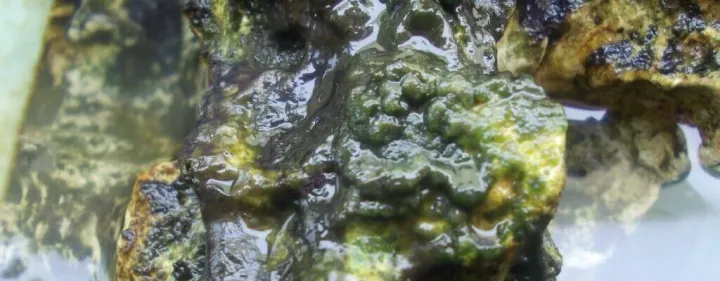
Description
Symptoms
The presence of these cyanobacteria is primarily identified by a thick, slippery, blue-green or dark-colored crust on the surface of the soil or substrate.
In hydroponic setups, the water may appear cloudy or green, often accompanied by a distinct, musty, or unpleasant smell caused by organic matter decomposition.
The crust acts as a barrier, preventing gas exchange between the soil and the air, which can cause visible stress to seedlings and young plants.
Affected plants often show symptoms of growth stagnation, wilting, or chlorosis, as the root zone suffers from limited oxygen availability.
In severe cases, a slimy biofilm may cover the lower stems of plants, creating a site for secondary fungal or bacterial rotting processes.
Pathogen
Chroococcales represent an order of cyanobacteria that are often found in moist soil environments, hydroponic systems, and standing water.
These microorganisms are characterized by their simple structure, existing as solitary cells or in small colonies encased in mucilaginous sheaths.
While they are not primary pathogens in the traditional sense, their proliferation can significantly alter the environmental conditions of the rhizosphere.
Being photosynthetic organisms, they rely on light, water, and available minerals to expand their population rapidly under greenhouse or field conditions.
They are capable of nitrogen fixation, which can shift the nutritional balance of the soil, potentially impacting the development of sensitive crop species.
Conditions for development
Excessive soil moisture and poor drainage are the primary drivers for the establishment and rapid multiplication of Chroococcales populations.
High light intensity, especially in greenhouses, promotes rapid photosynthesis and biomass accumulation on wet surfaces.
The overuse of phosphorus and nitrogen-based fertilizers creates an nutrient-rich environment that acts as a catalyst for algae blooming.
Poor ventilation and high relative humidity contribute to keeping the soil surface constantly wet, preventing the drying cycles necessary to inhibit growth.
Continuous cultivation in the same substrate without soil rotation allows these microorganisms to build up significant population densities over time.
Why it matters
The physical barrier formed by the algal crust creates an anaerobic environment at the soil surface, leading to root suffocation and poor growth.
These organisms compete with crops for essential nutrients, reducing the availability of fertilizers provided for the primary plant culture.
Metabolic byproducts of the cyanobacteria can potentially alter the soil pH or release allelopathic substances that suppress healthy root development.
In irrigation systems, algal biomass often clogs filters, drip lines, and nozzles, causing significant operational issues and uneven water distribution.
Significant stress caused by these conditions results in reduced biomass production, lower crop yields, and decreased resistance to environmental stressors.
Protection
Management starts with optimizing irrigation schedules to ensure the substrate undergoes proper drying periods between watering events.
Improving the drainage capacity of containers and fields is crucial to preventing the water stagnation that supports cyanobacterial growth.
Regular cultivation or stirring of the topsoil layer is a highly effective manual method to disrupt algal crusts and improve oxygen penetration to the roots.
In controlled environments, maintaining proper air circulation and humidity control can significantly suppress the conditions required for blooming.
- Use organic or inorganic mulch to limit light reaching the soil surface
- Balance fertilizer application to prevent nutrient runoff
- Regularly clean and sanitize hydroponic reservoirs and pipes
- Remove the upper infested layer of soil to reduce the initial population
Discussion
No discussions yet — be the first.