
Chroococcus
Chroococcus
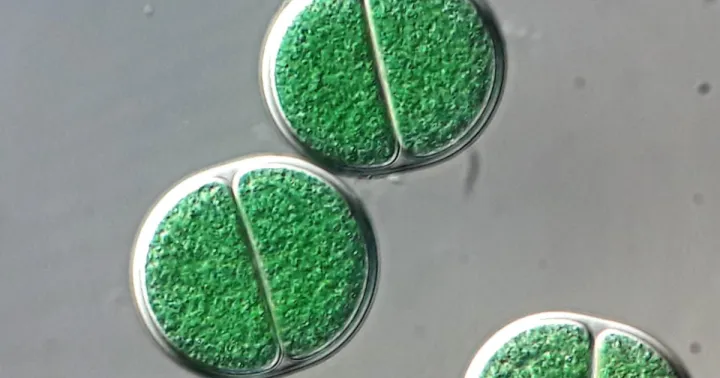
Description
Symptoms
The primary symptom of Chroococcus presence is a dark green, bluish, or black film on the surface of the soil or substrate. In its early stages, it looks like a moist, slick patch on the topsoil.
As the surface dries, the film may harden into a brittle, crust-like layer. This crust significantly reduces the permeability of the soil surface to air and water, leading to poor oxygen exchange for the roots.
In greenhouses, this algal growth can extend to the lower stems of seedlings, creating a humid microclimate that can promote fungal infections such as damping-off or stem rots.
If left unchecked, the colonies can become quite thick, visibly changing the texture of the growing medium and sometimes emitting a slight "swampy" odor due to stagnant water conditions.
The visual impact is most pronounced in small pots or seedling trays where the restricted space leads to rapid colonization of the surface area by the cyanobacteria.
Pathogen
Chroococcus is a genus of single-celled or colonial cyanobacteria (blue-green algae). In an agronomic context, it is not a primary plant pathogen, but rather a opportunistic organism that thrives in greenhouse or nursery environments when growing conditions are mismanaged.
These organisms appear as a green, slimy layer on the surface of potting media or soil. While they do not directly infect plant tissue, their presence indicates significant flaws in the moisture or nutrient management of the crop.
Biologically, Chroococcus cells are characterized by a mucilaginous sheath and the ability to perform photosynthesis. This makes them highly dependent on light, moisture, and high nutrient availability on the surface of the growing medium.
Because they are photosynthetic, they are not found within the root systems but compete for space, water, and nutrients at the surface, effectively acting as an indicator of overwatering or soil surface saturation.
Taxonomically, they belong to the phylum Cyanobacteria. Their occurrence in professional horticulture is usually a sign that the drainage and aeration protocols need to be reviewed to maintain optimal plant health.
Conditions for development
Constant surface moisture is the most critical factor for Chroococcus growth. Frequent, light watering cycles prevent the substrate from drying out, keeping the surface perpetually damp for the algae.
High light intensity in greenhouses is essential for the photosynthesis of these organisms. Shaded areas or covered surfaces often experience less severe outbreaks of blue-green algae.
Excessive levels of dissolved minerals, especially nitrogen and phosphorus from fertilizers, create a nutrient-rich surface that acts as a growth medium for Chroococcus proliferation.
Poor ventilation and high relative humidity prevent efficient evaporation of surface water, maintaining the wet environment that these cyanobacteria require to expand their colonies.
Compacted soil surfaces, often resulting from heavy spray irrigation or high foot traffic in nurseries, create drainage issues that promote surface water ponding and subsequent algae growth.
Why it matters
The main harm caused by Chroococcus is the alteration of the soil surface physical properties. The formation of a dense, slimy crust prevents essential gas exchange, causing root hypoxia.
These organisms compete with cultivated plants for nutrients available in the top layer of the substrate, potentially leading to nutrient deficiencies and stunted growth in young or sensitive plants.
The mucilaginous layer can block the pores of the growing medium, making it difficult for water to penetrate uniformly and potentially causing the root zone to dry out unevenly.
The presence of algal mats creates a reservoir for other pathogens, as the constant humidity and organic content of the decaying algae attract harmful fungi and bacteria.
Plants grown in heavily colonized trays may exhibit reduced vigor and weakened root development, making them more susceptible to transplant shock and stress in later stages.
Protection
The most effective control strategy is to adjust irrigation practices. Allowing the surface of the substrate to dry out between waterings is often sufficient to kill existing Chroococcus colonies.
Improving air circulation and lowering greenhouse humidity levels are essential to increase surface drying rates and discourage algal colonization.
Mechanical cultivation or light hoeing of the topsoil surface can disrupt the algal mats, improve aeration, and promote a faster drying process for the surface layer.
- Mulching the soil surface with coarse sand or bark to block light and discourage algae.
- Managing fertilizer rates to avoid excessive surface accumulation of mineral salts.
- Application of specialized algaecides if necessary, ensuring they are compatible with the specific crop.
Good sanitation practices, including the cleaning of pots, trays, and benches, are critical for preventing the spread of spores and vegetative cells throughout the growing facility.
Discussion
No discussions yet — be the first.