

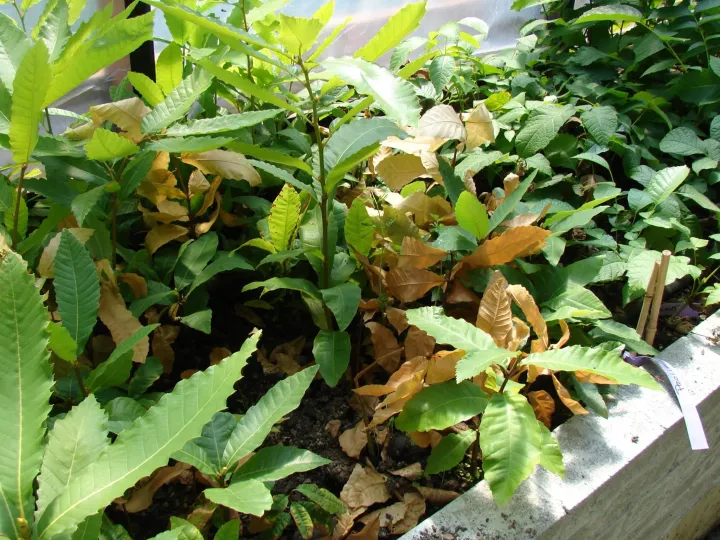
Description
Symptoms
The first external sign is often sudden wilting of the plant during the hottest part of the day, with partial recovery at night. As the root rot progresses, the wilting becomes permanent.
Below the soil line, the symptoms are unmistakable. The roots turn dark, brown, or black, and lose their structural integrity, becoming soft and mushy to the touch.
In many cases, the decay extends to the crown or the base of the stem. A distinct brown discoloration can often be observed in the vascular tissues when the stem is cut crosswise.
Foliar symptoms include chlorosis (yellowing), stunting, and premature leaf drop. The plant essentially starves and dehydrates because its primary water-absorbing organs are destroyed.
- wilting despite adequate soil moisture;
- decayed, discolored root system;
- brown necrotic spots at the stem base;
- significant reduction in overall plant vigor and growth.
Pathogen
The causative agent of this disease is the oomycete Phytophthora cryptogea, a soil-borne pathogen known for its destructive impact on a vast range of plant species.
This pathogen belongs to the family of water molds. It thrives in moist soil environments, where it produces motile zoospores that can navigate through soil water films to locate and infect healthy root systems.
It affects various agricultural crops, ornamental plants, and tree species. In horticultural settings, it is particularly devastating to crops like tomatoes, peppers, and various nursery stock.
The life cycle of the pathogen includes the formation of resilient oospores, which allow the organism to survive in the soil for several years even in the absence of a host plant.
Infection is primarily facilitated by contaminated water supplies, infested soil, and the movement of infected plant material from one site to another, making hygiene a critical factor.
Conditions for development
The primary driver of Phytophthora cryptogea development is excessive soil moisture and poor drainage. Waterlogged soil prevents oxygen from reaching the roots and facilitates the movement of zoospores.
The pathogen prefers moderate to warm temperatures, typically ranging between 15°C and 25°C. In these conditions, the biological activity of the oomycete is at its peak.
Compacted soils with poor porosity create anaerobic conditions, which stress plant roots and make them much more susceptible to invasion by the pathogen compared to roots in well-aerated soil.
Irrigation management is critical; frequent, shallow watering combined with poor air circulation in greenhouses can rapidly trigger an outbreak of the disease.
The introduction of the pathogen via contaminated tools, equipment, or irrigation water is a major risk factor, especially in commercial production environments.
Why it matters
Phytophthora root rot is highly damaging because it attacks the foundation of the plant. By the time visual symptoms appear above ground, the root system is often already extensively damaged.
The disease causes significant financial losses in the nursery and greenhouse industries due to high mortality rates and the high cost of soil remediation or replacement.
In fruit-bearing crops, the infection reduces the overall yield and quality of the produce, as the plant lacks the necessary resources to support healthy growth and fruit development.
The pathogen is highly contagious within a growing area. Without strict quarantine and sanitation measures, a localized outbreak can rapidly consume an entire crop.
Once a field or greenhouse becomes infested with Phytophthora cryptogea, the area may remain unsuitable for susceptible crops for several seasons, complicating crop rotation planning.
Protection
Management starts with site preparation. Ensuring excellent soil drainage and using raised beds can significantly reduce the risk of root rot by preventing water stagnation.
Strict sanitation protocols, including cleaning tools with disinfectants and using certified pathogen-free potting mixes, are essential to preventing the entry of the disease.
Biological control agents, such as beneficial Trichoderma fungi, can be incorporated into the soil to outcompete and suppress the growth of the harmful oomycete.
Proper irrigation management is vital. Using drip irrigation that targets the root zone rather than over-saturating the entire bed helps maintain appropriate moisture levels.
Chemical control involving fungicides specifically targeting oomycetes (such as metalaxyl or fosetyl-aluminum) can be used as a preventative or curative measure when applied correctly.
Content graph
Connections · Phytophthora root rot
Most often together:
Marketplace
Products · 4


Community
Discussion
No discussions yet — be the first.