

Description
Sowing dates
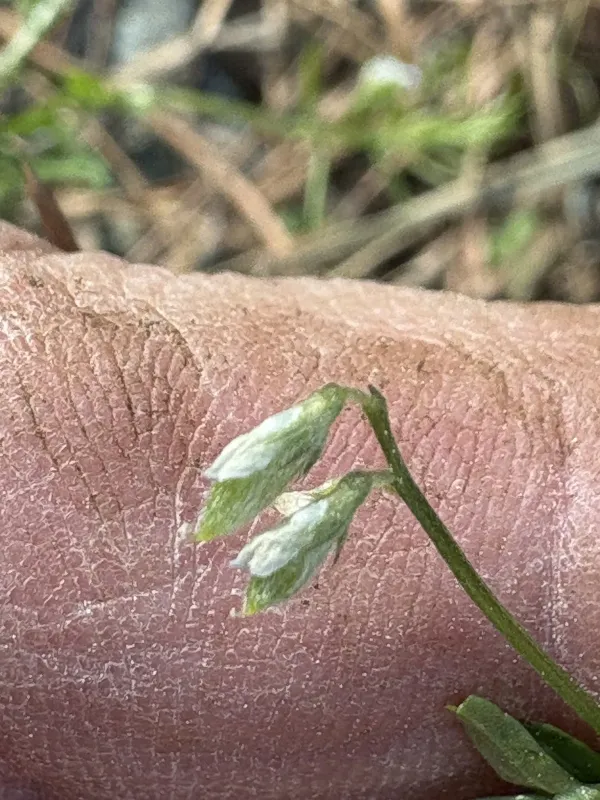
Hairy tare (Vicia hirsuta) is an annual leguminous plant belonging to the Fabaceae family. It is recognized for its ability to fix atmospheric nitrogen, making it a valuable candidate for green manure and soil improvement programs.
The optimal sowing time occurs in early spring as soon as the soil is workable. In regions with mild winters, autumn sowing is also a viable strategy to establish early growth and better soil coverage before the hot season.
The recommended seeding rate varies from 60 to 100 kg per hectare. Precision drilling is preferred to achieve uniform depth, usually between 2 to 3 cm, which protects the seeds from birds and promotes even emergence.
Before sowing, it is advisable to check the soil pH and nutrient status. Hairy tare performs best in well-drained soils and can tolerate a wide range of soil textures provided they are not excessively compact or waterlogged.
Seed inoculation with appropriate Rhizobium bacteria is a standard practice to ensure effective nodule formation and nitrogen fixation. This simple step can drastically increase the biomass potential and nitrogen-fixing efficiency of the crop.
Growing requirements
Hairy tare prefers moderately fertile soils with a neutral pH. While it is adaptable to different environments, it is particularly sensitive to soil compaction and prolonged wet conditions, which can lead to root system failure.
Light availability is a critical factor for successful development. The plant is highly photophilic and requires open sunny conditions to maintain a strong stem structure and maximize its forage or nitrogen-fixing capacity.
The plant is relatively hardy and can adapt to varying temperature conditions. It thrives in mild weather but will enter a dormancy or slowed growth phase during extreme heat or deep frost periods.
In terms of fertilization, Hairy tare responds well to phosphate and potash, especially when grown in soils with lower fertility levels. Nitrogen application is usually unnecessary due to the plant's symbiotic relationship with nitrogen-fixing bacteria.
Maintaining a rotation schedule is vital to prevent the buildup of soil-borne pathogens. It is recommended to include non-leguminous crops in the rotation cycle every three to four years to break the disease cycle.
Main diseases and pests
Powdery mildew and various types of rust represent the most common fungal diseases in Hairy tare crops. High humidity combined with poor airflow is a primary catalyst for the rapid spread of these pathogens.
Pea leaf weevils and other legume-specific beetles are significant pests that damage young leaves and roots. Integrated pest management strategies, including timely scouting, are necessary to maintain healthy stands.
Aphids can cause significant damage by clustering on new shoots and sucking sap. This not only weakens the plant but can also facilitate the transmission of viral diseases within the crop canopy.
Pod borers and seed-eating insects pose a major threat to seed production. If the crop is being grown for seed multiplication, careful monitoring during the flowering stage is essential to determine if treatment is required.
Cultural control measures, such as weed removal and ensuring proper row spacing, significantly reduce the incidence of disease and pest attacks. Healthy, vigorous plants are inherently more resilient to biotic stressors.
Harvesting
Harvesting for forage should take place at the full flowering stage. This is the period when the plant provides the highest quality green mass with an ideal balance of protein and digestible fiber for livestock.
When producing seeds, harvest should commence when the pods have turned a dark color but before they become completely dry and brittle. Hairy tare pods are prone to shattering, leading to significant yield losses if delayed.
For seed production, a swathing method followed by combine harvesting is often preferred. This approach allows the crop to dry evenly in the field before the final threshing process begins.
Post-harvest conditioning involves immediate cleaning to remove green debris. High moisture content in the harvested mass can lead to heating and the rapid growth of molds, which will destroy the seed viability.
Properly dried seeds should be stored in a cool, dry environment with good ventilation. Under optimal storage conditions, Hairy tare seeds can remain viable for several years, retaining their germination capacity for future plantings.
Content graph
Connections · Hairy tare
Most often together:
Marketplace