
Horse bean
Vicia faba L. var. equina St.-Amans
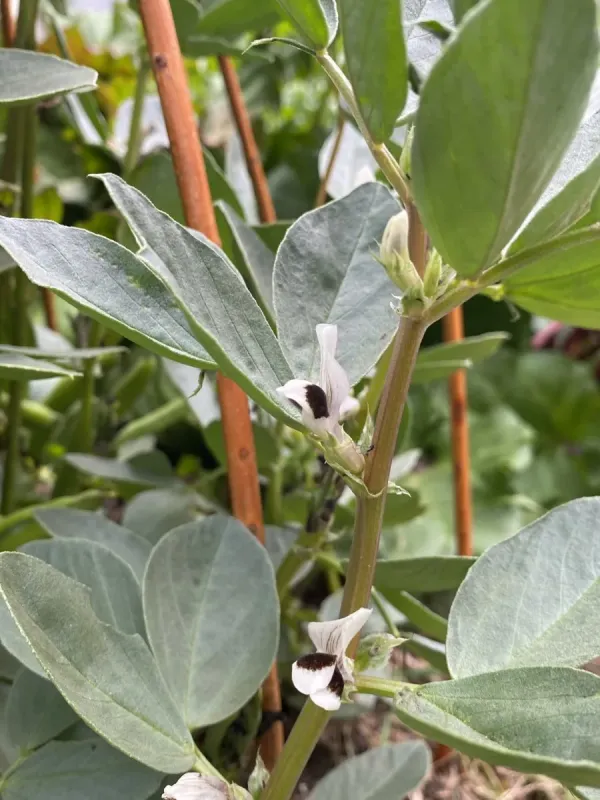
Description
Sowing dates
Horse beans are a cool-season crop, making early spring sowing essential as soon as soil conditions allow for machinery access.
The optimal soil temperature for germination is between 3°C and 5°C, ensuring robust early root development before heat stress arrives.
Seeding rates typically range from 0.8 to 1.2 million viable seeds per hectare, adjusted based on the specific variety and regional soil moisture levels.
Seeds should be planted at a depth of 6–8 cm to protect them from superficial drying and to provide a stable anchor for the developing plant.
Consistent row spacing of 15–30 cm helps in managing weed competition and allows for easier mechanical maintenance of the crop canopy.
Growing requirements
This crop thrives in temperate climates and is highly tolerant of early spring frosts, which do not significantly impact the young seedlings.
A consistent water supply is critical for horse beans, particularly during the flowering and pod-filling stages to ensure high grain yields.
They prefer deep, well-draining loamy or clay-loam soils that maintain good structural integrity and have a neutral or slightly alkaline pH.
As a long-day plant, it requires ample sunlight to support efficient photosynthesis and the synthesis of protein within the seeds.
Proper field drainage is necessary, as the crop does not tolerate waterlogging, which can lead to root rot and stunted plant growth.
Yield
Average grain yields typically range from 3 to 5 tonnes per hectare, depending heavily on rainfall distribution and crop management practices.
Nitrogen fixation through symbiosis with specialized bacteria contributes to overall soil health and reduces the need for synthetic fertilizers.
Application of phosphorus and potassium-based fertilizers is often recommended to optimize pod formation and increase the overall seed weight.
Genetic improvements have led to varieties with greater resistance to lodging, which directly correlates to more stable and reliable harvest outcomes.
In addition to grain, the biomass of the crop serves as excellent high-protein green manure, enhancing the fertility of the following crop in the rotation.
Main diseases and pests
Common fungal diseases, including chocolate spot (Botrytis fabae) and rust, can severely impact foliage and reduce overall photosynthetic efficiency.
Pest pressures are primarily driven by aphids, which can vector viruses, and the pea and bean weevil, which causes characteristic leaf notches.
The bruchid beetle remains a primary threat to stored grain quality, requiring careful post-harvest management and monitoring of the seed stocks.
Integrated Pest Management (IPM) strategies, including crop rotation and the use of resistant cultivars, are vital for sustainable cultivation.
- Crop rotation with at least a 4-year interval
- Monitoring aphid populations during flowering
- Using certified disease-free seed stock
Harvesting
Harvesting is optimal when the lower pods have turned dark and the grain moisture content drops to approximately 20–25%.
Direct combining is standard, though pre-harvest desiccation is often employed to ensure uniform maturity and easier threshing conditions.
Careful calibration of the combine harvester settings is essential to avoid cracking or damaging the beans during the mechanical threshing process.
Post-harvest drying to 14–15% moisture is mandatory to prevent the growth of storage molds and maintain high quality for market or feed.
Minimizing delays during the harvest window is critical, as over-matured pods may shatter, leading to significant field losses.