
Pennisetum x Panicum hybrid
Pennisetum x Panicum
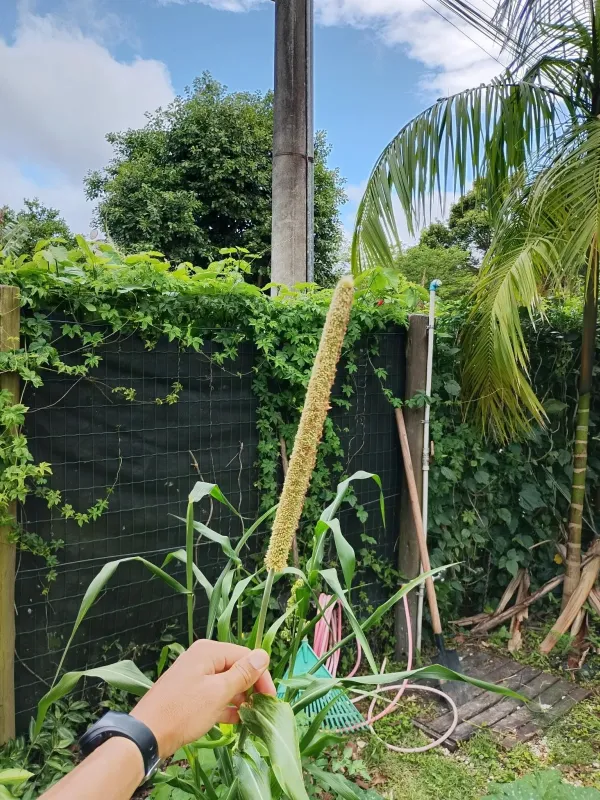
Description
Sowing dates
Sowing of the Pennisetum x Panicum hybrid must occur after the soil has warmed up sufficiently, typically when temperatures remain above 15–18 degrees Celsius. Cold soil delays germination and increases the risk of seed decay.
Seeds should be planted at a shallow depth of 2–3 cm, as the seeds are relatively small and need to emerge quickly. Proper row spacing, usually ranging from 45 to 70 cm, is essential for optimal development.
Achieving good soil-to-seed contact is vital. Using a roller after sowing helps improve germination rates, especially in dry conditions, by ensuring the seeds have access to soil moisture.
The best sowing window is late spring or early summer, allowing the crop to take full advantage of the peak warm season. This timing maximizes the photosynthetic period for vegetative growth.
Seeding rates typically range from 5 to 12 kg per hectare, depending on local conditions and the intended use of the crop. High-fertility soils may require slightly lower rates to prevent overcrowding.
Growing requirements
This hybrid is highly demanding in terms of thermal units, thriving in tropical and subtropical-like conditions. It is extremely frost-sensitive and should not be planted until all danger of freezing temperatures has passed.
The crop performs best on well-drained loam or sandy loam soils. While it can handle minor waterlogging, sustained saturation will cause root stress and significantly hinder growth performance.
A soil pH between 6.0 and 7.0 is considered ideal for nutrient availability. In fields with low nutrient content, supplementary nitrogen fertilization is necessary to drive rapid foliage production.
High light intensity is essential for the crop to reach its full potential. Areas with heavy shade should be avoided as they lead to weak stems and a reduction in the total biomass produced per hectare.
Efficient water management is the key to achieving record yields. Despite the crop's inherent drought tolerance, irrigation during the booting and tillering phases leads to superior quality and higher dry matter content.
Yield
The yield potential of this hybrid is significantly higher than that of many traditional grasses, especially in intensive farming systems. It produces substantial green matter throughout the summer.
Farmers can expect up to 3–4 cuttings per season under favorable weather conditions and proper management. This makes it a highly efficient plant for biomass production and intensive silage programs.
Regrowth capacity after cutting is one of the crop's standout features. If harvested at the correct height, the plant will quickly resume growth, providing a reliable feed source for livestock throughout the season.
While often used for forage, the grain yield is also significant. However, the plant is typically managed for its vegetative qualities to ensure high energy density in the final silage or haylage product.
To maintain peak productivity, it is necessary to provide adequate fertilization between cuts. This keeps the plants in a state of active growth and prevents early senescence of the leaves.
Main diseases and pests
Fungal diseases, including leaf spot and rusts, are common risks in high-humidity climates. Proper field management and keeping the plant spacing clear can help reduce disease pressure.
Insect pests, such as aphids and stem borers, can reduce growth rates by damaging plant tissue. Regular scouting is recommended to determine the need for control measures.
Root rot represents a long-term threat if the crop is planted repeatedly on the same plot. Rotating with non-grass species is highly recommended to break the life cycles of soil-borne pathogens.
Nematode infestations can be problematic in sandy soils, potentially causing stunted growth and chlorosis. Choosing certified seed and maintaining soil health helps mitigate these issues.
Integrated pest management (IPM) strategies, including the use of resistant varieties and balanced nutrition, are the most effective ways to protect the crop without relying solely on chemicals.
Harvesting
Harvesting for green forage should occur just before the flowering stage. This timing captures the highest levels of protein and sugar before the plant begins to shift energy into seed production.
A cutting height of at least 10–12 cm is required to protect the tillering nodes. This ensures that the crop has enough energy reserves to initiate rapid regrowth after the harvest.
For silage or haylage, rapid wilting is required to reach the target moisture content. This minimizes nutrient loss through respiration and helps prevent the growth of harmful bacteria in the silage pit.
If harvesting for grain, equipment must be calibrated carefully to accommodate the structure of the seed heads. Harvesting should be performed when seed moisture is low enough to allow for safe storage.
Post-harvest logistics are critical; the biomass must be transported and stored or processed quickly to avoid quality degradation and loss of dry matter during the fermentation process.