
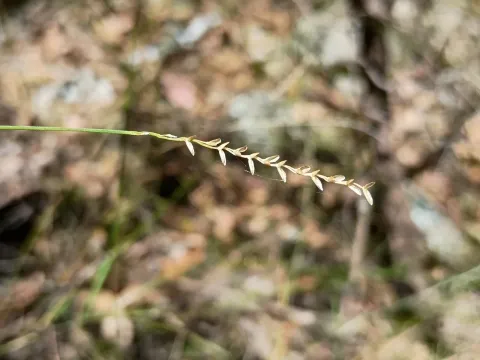
Tetrarrhena
Tetrarrhena
Tetrarrhena is a genus of perennial grasses belonging to the Poaceae family. Native primarily to Australia, these plants are adapted to a range of environments, from coastal zones to open woodlands, showcasing significant ecological plasticity within their natural habitat.
What the section contains
Tetrarrhena
Botanically, the genus is distinguished by its unique spikelet structure, typically featuring four distinct scales. Many species within this group exhibit a rhizomatous growth habit, which allows them to spread horizontally and effectively stabilize the soil, making them potentially useful for erosion control and landscape restoration.
Regarding cultivation requirements, Tetrarrhena species thrive in well-drained soils that retain moderate moisture. They show a preference for temperate climates with reliable rainfall patterns. Excessive waterlogging should be avoided, as it can lead to root system decay and hinder overall plant vigor.
The agricultural use of this genus is largely centered on its role in forage production. Its ability to regrow relatively quickly after defoliation makes it a subject of interest for sustainable pastoral systems in its native regions, offering a reliable source of nutrition for livestock during the growing season.
Management practices for Tetrarrhena involve balanced fertilization and regular monitoring of soil moisture levels. To maximize biomass yield, it is essential to manage stocking rates on grazing land to prevent overgrazing, which can degrade the root reserves and reduce the long-term persistence of the grass stand.
The primary threats to Tetrarrhena populations involve fungal pathogens, particularly in dense stands with high humidity. Leaf spot diseases are common when air circulation is poor, necessitating strategic management of plant density and regular field inspections to maintain canopy health.
Pest pressure is usually associated with various herbivorous insects and occasionally rodents that may forage on both the foliage and the subterranean rhizomes. Integrated pest management, focusing on habitat maintenance and natural predators, is the preferred approach for sustaining healthy crops without heavy reliance on synthetic pesticides.