
Stephanandra
Stephanandra
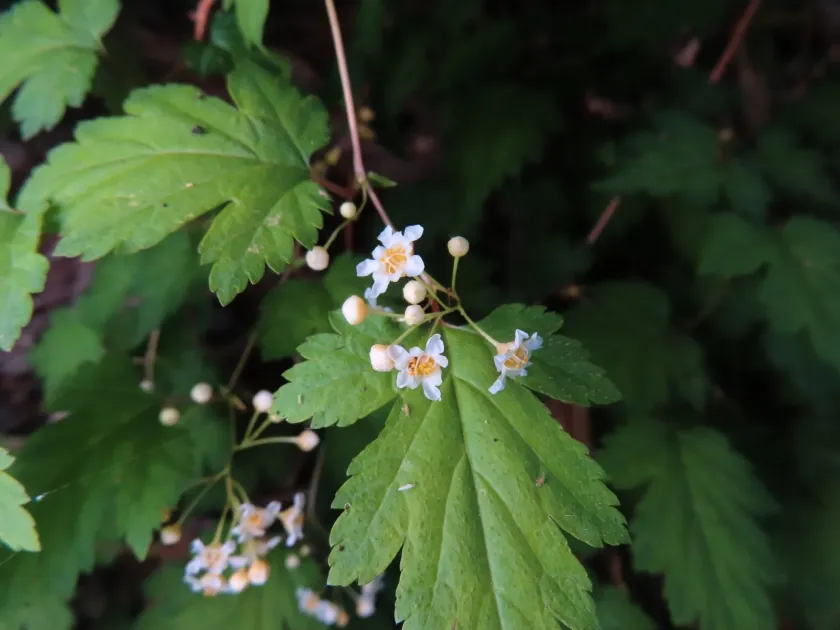
Description
Growing requirements
Stephanandra is a deciduous shrub belonging to the family Rosaceae. Native to East Asia, including Japan and Korea, this plant is valued for its graceful, arching branches and delicate, fern-like foliage.
The plant thrives in locations with partial shade to full sun, provided it is shielded from harsh, drying winds. Exposure to direct midday heat in southern climates requires careful positioning to prevent foliage burn.
Stephanandra demands moist, fertile, and well-drained soil. It is particularly sensitive to waterlogged conditions, which can lead to root rot; therefore, providing a quality drainage layer is a fundamental step during planting.
Proper agro-technical care involves consistent moisture management. In dry seasons, deep watering is recommended, followed by the application of organic mulch to maintain stable soil moisture levels and temperature.
Host-plant utility is primarily focused on landscape architecture. It is an excellent choice for erosion control on slopes, low-maintenance hedging, or as a decorative specimen in mixed garden borders.
Main diseases and pests
Stephanandra is generally robust, but it can be susceptible to common garden pests such as aphids and spider mites. These pests typically congregate on the undersides of young leaves, causing stunted growth.
Fungal diseases like powdery mildew may occur if planting sites are overcrowded or if air circulation is inadequate. Maintaining proper spacing and regular pruning helps mitigate these risks significantly.
Sanitation is key to preventing plant stress. Removing dead or damaged wood in late winter helps rejuvenate the shrub and prevents the accumulation of pathogens within the canopy.
Young plants are sensitive to severe frost. Protecting the base with a layer of straw or wood chips during the first few years of establishment is essential for survival in colder hardiness zones.
Integrated pest management strategies, including the use of horticultural soaps or selective insecticides, are effective when pest populations exceed economic or aesthetic thresholds.