
Kochia tamariscina
Kochia tamariscina
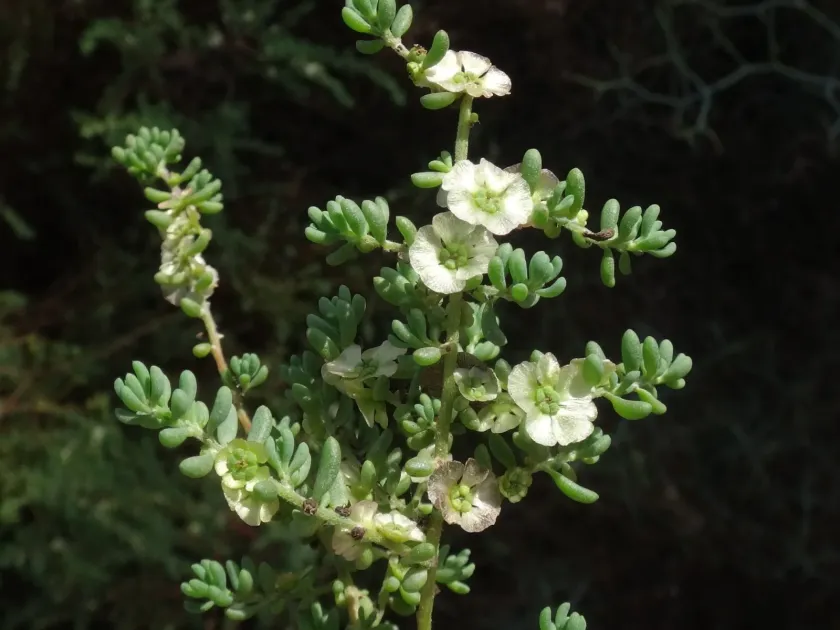
Description
Sowing dates
Kochia tamariscina, a member of the Amaranthaceae family, is a herbaceous annual plant. The ideal sowing period is early spring, once the soil temperature consistently reaches 8–10 degrees Celsius.
Seeds should be sown at a shallow depth, not exceeding 1–2 centimeters, to ensure proper germination. Establishing good contact between the seed and moist soil is critical for uniform emergence.
In arid regions, winter sowing is often practiced to capitalize on soil moisture stored after snowmelt. This encourages early development of the vegetative biomass before the peak heat arrives.
When cultivated for forage, seeding rates are adjusted based on row spacing. Wide-row sowing is generally preferred to facilitate mechanical weeding and ensure optimal plant competition.
The plant demonstrates high germination energy and, under favorable conditions, grows rapidly, effectively outcompeting weeds during the early developmental stages.
Growing requirements
This crop is highly resilient and adapted to extreme environmental conditions. It thrives in regions suffering from significant precipitation deficits where traditional crops often fail.
Kochia tamariscina has low soil fertility requirements but prefers light, well-drained sandy or loamy soils. It shows notable tolerance to soil salinity, making it useful for reclaiming degraded lands.
The primary climatic necessity for the crop is ample solar radiation. Shade causes stem elongation and substantially decreases the nutritional quality of the green mass.
Its deep-reaching root system allows the plant to access subsoil moisture effectively, ensuring consistent biomass production even during prolonged heat waves and drought periods.
Standard agronomic practice involves regular cultivation between rows to improve soil aeration and moisture retention, which promotes healthier and more vigorous root growth.
Yield
The yield of Kochia tamariscina is highly dependent on moisture availability and soil nutrient status. Despite its hardiness, the crop responds positively to nitrogen fertilization.
Average yields of green biomass range from 15 to 30 metric tons per hectare, depending on local management practices. Its high protein content makes it a valuable feed component.
Maximum productivity is achieved by applying nitrogen top-dressing during the active stem-growth phase. However, care must be taken to avoid excessive nitrogen application to prevent nitrate accumulation.
For seed production purposes, the harvest target is adjusted, allowing plants to complete their full life cycle until the stems begin to lignify naturally.
The quality of the harvested product is evaluated based on leafiness, as leaves contain the vast majority of essential nutrients, vitamins, and minerals required for livestock.
Main diseases and pests
The plant exhibits excellent natural resistance to most common crop diseases. However, in cases of waterlogged soil conditions, root rot may occasionally occur as a result of fungal pathogens.
Pest damage is generally low, but during extremely dry years, crops can be affected by grasshoppers or certain species of weevils that feed on the foliage.
Maintaining high phytosanitary standards is crucial, as the plant can occasionally serve as a reservoir for viruses that may affect other crops in a rotation cycle.
Weeds pose a threat primarily during the early establishment phase before the canopy closes. Once developed, the dense biomass effectively suppresses weed competition.
Integrated pest management strategies focus on crop rotation and timely mechanical weeding, minimizing the need for chemical interventions and ensuring a cleaner, safer harvest.
Harvesting
The optimal harvest timing depends on the intended use: green chop, hay, or silage. It is essential to mow the crop before the stems become overly lignified and fibrous.
The best phase for harvesting is the budding stage or early flowering, when nutrient concentration in the leaves and tender stems is at its absolute peak.
When producing hay, careful drying in windrows is required. Due to its high leaf density, mechanical handling must be minimized to prevent the loss of high-quality leaf material.
Ensuring high-quality silage requires precise shredding and compaction. Because the dry matter content is naturally high, moisture adjustment may be necessary to facilitate proper fermentation.
After the primary harvest, regrowth can be used for grazing, provided that stocking rates are carefully controlled to prevent overgrazing and damage to the root system.