
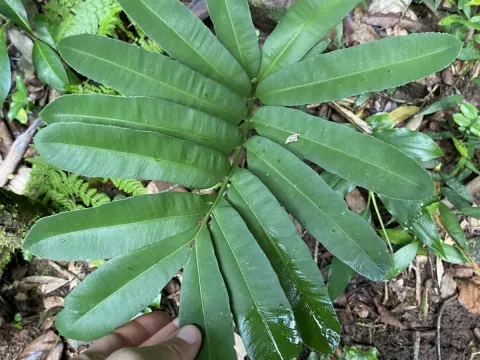
Stangeria
Stangeria
Stangeria (Stangeria eriopus) is a monotypic genus in the family Stangeriaceae, often grouped with cycads. Native to the coastal forests of South Africa, it is known for its remarkable fern-like fronds and a distinct subterranean tuberous stem.
What the section contains

Stangeria
The culture thrives in environments that mimic its natural habitat: warm, humid, and shaded. It is a slow-growing species that demands patience, as its developmental cycle is significantly longer compared to most ornamental crops.
The soil mixture for Stangeria must be highly porous and rich in organic matter. A recommended composition includes a mixture of pine bark, coarse sand, and peat, ensuring excellent drainage to prevent the tuber from rotting.
Climate requirements involve maintaining steady temperatures between 18°C and 25°C. Exposure to direct sunlight is generally discouraged, as it can scorch the foliage; instead, bright, indirect light is ideal for healthy leaf development.
Irrigation practices must be precise. During the growing season, keep the medium evenly moist, but never waterlogged. As the plant enters a period of dormancy, significantly reduce the watering frequency to mimic the natural dry season.
Root rot is the most significant threat to Stangeria, usually caused by overwatering or poor soil drainage. If the subterranean stem begins to soften, immediate remedial action involving soil replacement is required to save the specimen.
Scale insects are common pests that attach themselves to the underside of the fronds. Due to their protective shells, they can be difficult to remove; manual cleaning with alcohol-soaked swabs or systemic insecticides is typically recommended.
Mealybugs are another frequent issue, often found clustering in the crown of the plant. These pests sap the vitality of the plant and must be managed with targeted systemic treatments to prevent colony expansion.
Spider mites represent a risk, particularly in indoor environments with low humidity. They manifest as fine webbing and mottled foliage, which necessitates a rapid increase in ambient moisture and the application of mild miticides.
Because Stangeria is a slow-growing relic plant, it does not tolerate harsh chemical treatments well. Integrated pest management, focusing on biological controls and manual removal, is preferred to maintain the health of the plant over the long term.