
Stangeria eriopus
Stangeria eriopus
Description
Growing requirements
Stangeria eriopus is a remarkable cycad belonging to the monotypic family Stangeriaceae. Native to the coastal forests and grasslands of South Africa, it is considered a relic species that has maintained its distinct evolutionary path over millions of years.
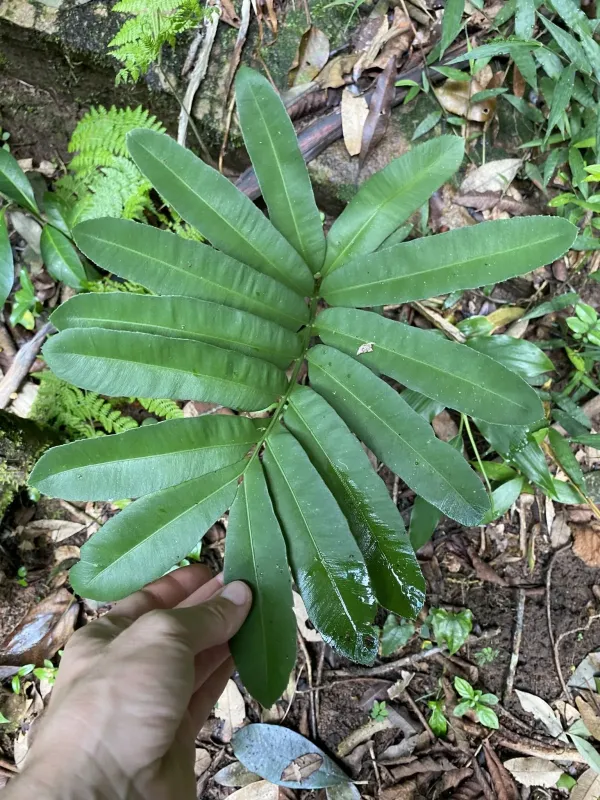
The plant is characterized by its fern-like, pinnate leaves, which distinguish it from the palm-like foliage common in other cycads. Beneath the surface, it possesses a significant tuberous caudex that serves as an essential reservoir for nutrients and water.
For successful cultivation, the plant requires a well-draining, nutrient-rich soil medium. It thrives in locations that offer dappled shade, mimicking its natural forest-floor habitat where it is shielded from the intensity of midday sun.
Climatic requirements are strictly subtropical. Stangeria eriopus cannot withstand freezing temperatures, necessitating greenhouse or indoor cultivation in colder geographical zones. Consistent temperatures and high relative humidity are key to plant vigor.
Maintenance involves careful watering practices to prevent waterlogging, which is lethal to the underground caudex. Fertilization should be focused during the growing season, using a balanced slow-release fertilizer to ensure steady leaf development.
Main diseases and pests
Pathogenic root rot caused by stagnant moisture is the most significant threat to this species. Poor soil drainage combined with excessive irrigation quickly leads to irreversible damage of the subterranean structures.
Mealybugs are a frequent pest that tends to colonize the crevices between the leaf bases and the caudex. These insects can be difficult to eradicate once a colony has established deep within the plant’s structure.
Scale insects pose another common threat, attaching themselves to the underside of the leaves. Their presence can lead to yellowing foliage and secondary fungal infections if not managed promptly with horticultural oils or insecticides.
Spider mites may manifest during periods of low indoor humidity, resulting in mottled or discolored leaves. Maintaining good air circulation is vital to prevent these outbreaks and keep the foliage healthy.
Regular sanitation, such as removing dead leaf tissue and keeping the growing area clean, is essential to minimize the risk of pests and diseases that threaten the long-term health of this rare plant.