
Microcycas
Microcycas
Microcycas calocoma, the sole species in its genus, belongs to the Zamiaceae family and is an endemic cycad native to the western provinces of Cuba. As a relict species, it is highly valued by botanists and collectors for its ancient lineage and distinct appearance.
What the section contains

Microcycas
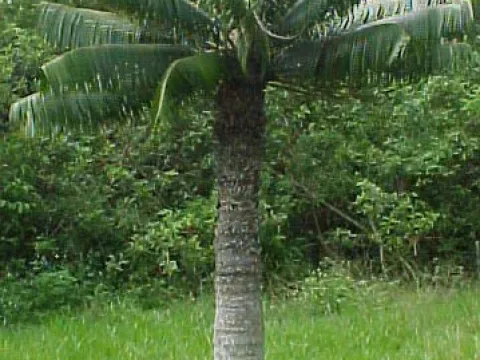
The plant possesses a robust, woody trunk that can grow quite tall over decades, supporting a crown of stiff, pinnate leaves. It is characterized by an extremely slow growth rate, often producing only a few new leaves each year, which necessitates long-term planning for its cultivation.
In terms of climate, Microcycas requires a frost-free, warm, and humid environment. It thrives in temperatures ranging from 20°C to 30°C. In temperate zones, it is strictly an indoor or greenhouse plant that cannot tolerate temperatures below 10°C.
Soil requirements are quite specific: the plant demands a highly porous and well-draining medium to prevent root rot. A mixture consisting of coarse sand, perlite, and organic material mimicking the limestone-rich soil of its natural Cuban habitat is ideal for development.
Light management is crucial; while the plant enjoys bright, indirect light, it must be protected from scorching midday sun. Consistent, measured irrigation is preferred over heavy watering, as the substrate should dry out slightly between waterings to maintain healthy root activity.
Fungal pathogens associated with overwatering constitute the primary threat to the stability of Microcycas. Root rot is a lethal condition that, if detected late, is difficult to reverse, making preventive drainage control the most important aspect of care.
Scale insects and mealybugs are the most common pests, as they easily conceal themselves within the dense structure of the foliage. Manual removal combined with systemic insecticides is necessary to manage these persistent infestations.
Spider mites represent a significant risk during dry winter months in greenhouses. These pests can rapidly drain the vitality of the plant, causing the leaves to lose their deep green luster and become brittle, requiring regular misting to prevent.
Nutrient deficiencies can occur if the plant remains in the same soil for too long, leading to yellowing of the fronds. Regular, low-concentration fertilization during the growing season is necessary to keep the plant vigorous and resistant to stress.
Mechanical damage to the trunk must be avoided at all costs, as any wound acts as an entry point for opportunistic infections. Careful handling during repotting or transport is essential for the long-term survival of this slow-growing ornamental specimen.