
Microcycas calocoma
Microcycas calocoma
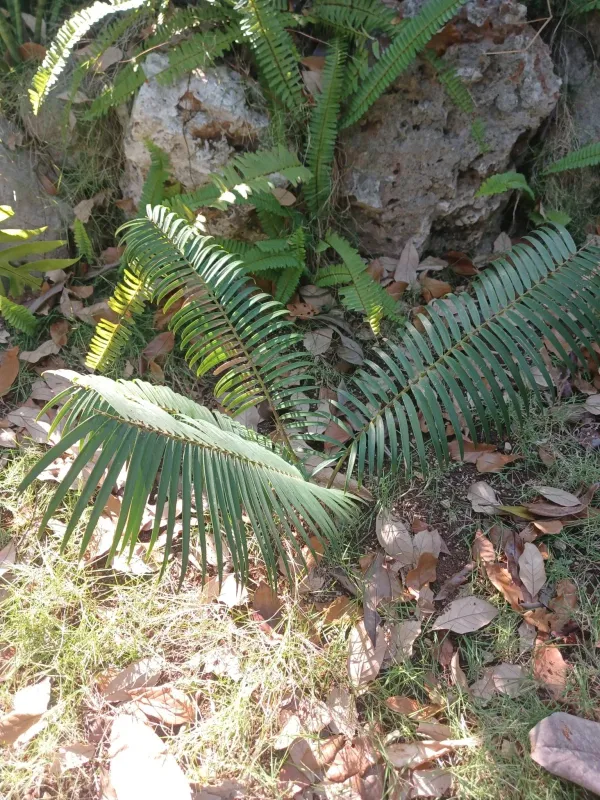
Description
Growing requirements
Microcycas calocoma is a distinct species within the Zamiaceae family, native to western Cuba. This ancient, palm-like gymnosperm is considered a living fossil and is highly prized in specialized botanical collections.
In terms of habitat, it thrives in well-drained, limestone-rich soils. In cultivation, mimicking these conditions is essential, requiring a loose, porous substrate that allows for rapid water drainage and excellent air circulation at the root zone.
Climate management is critical for the survival of this species. It requires consistent tropical temperatures with high humidity levels and avoids any exposure to frost. In non-tropical regions, it must be sheltered in climate-controlled conservatories.
Light requirements for Microcycas calocoma involve providing bright, filtered sunlight. Exposure to harsh, direct midday sun may cause foliage damage, while insufficient light leads to etiolation and a significantly weakened plant structure.
Cultural practices include a cautious approach to fertilization, utilizing low-concentration, balanced nutrient solutions. Because the plant exhibits an extremely slow growth rate, over-fertilization can lead to root burn rather than increased biomass.
Main diseases and pests
Root rot is the most significant threat to this species, primarily caused by excessive moisture and poor drainage. This condition quickly degrades the stem base, making it often irreversible if not detected early.
Pest management should focus on common cycad-specific insects such as mealybugs and scale insects. These pests can infiltrate the tightly arranged leaf bases, making manual removal difficult and requiring systemic treatment.
Fungal leaf spots can occur when air circulation is inadequate in a greenhouse setting. Maintaining moderate airflow helps reduce the risk of pathogen accumulation on the tough, leathery leaflets.
Nutritional deficiencies, specifically nitrogen and iron chlorosis, are common when the substrate pH deviates from the neutral-alkaline range. Correcting the soil medium is vital to maintaining the deep green coloration of the foliage.
Physical damage to the crown or roots can lead to long-term stagnation. Given the plant's rarity, maintaining a strict preventive regime against mechanical damage and environmental stress is fundamental for long-term health.