
Drimys brasiliensis
Drimys brasiliensis
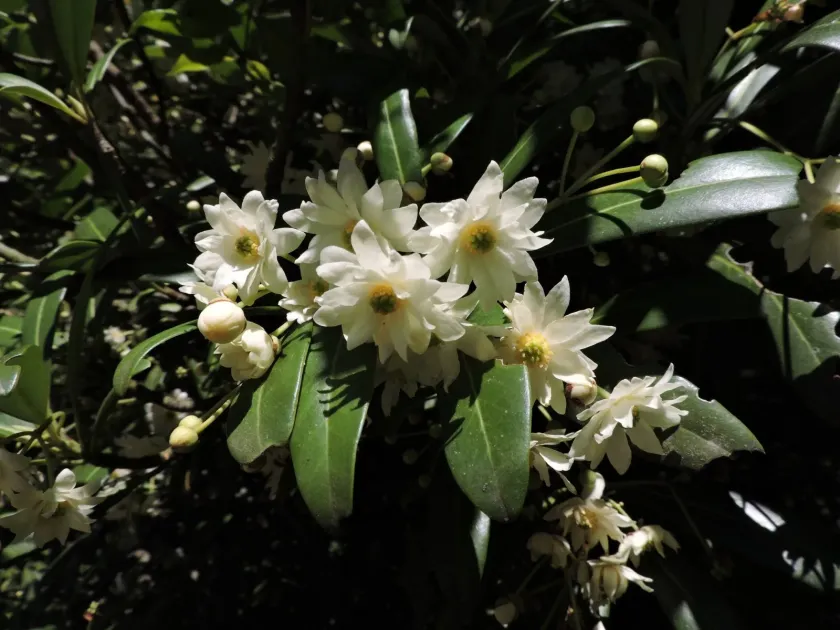
Description
Growing requirements
Drimys brasiliensis is a distinctive evergreen tree or shrub belonging to the Winteraceae family. Native to the tropical and subtropical forests of South America, specifically in Brazil, Argentina, and Paraguay, this species is highly valued for its aromatic bark containing potent phytochemicals.
Cultivation of this species requires well-draining, nutrient-rich soils with a slightly acidic pH. The plant performs best in environments that mimic its natural forest understory habitat, meaning it thrives in partial shade and high-humidity climates without excessive heat stress.
The climatic conditions are critical for its survival; it is sensitive to frost and requires a warm, stable environment. In cultivation, it is often kept in greenhouses or nurseries in cooler regions to ensure steady growth and to protect the foliage from thermal shock.
Proper agronomic practices include regular watering to maintain consistent soil moisture, coupled with a well-maintained drainage system to prevent root rot. Supplemental organic nutrition during the spring and summer months encourages healthy vegetative growth and increases oil concentration in the bark.
Economically, the plant is primarily harvested for its bark, which is used in traditional medicine and as a botanical source for flavoring. The presence of compounds like polygodial gives the plant its characteristic peppery, antiseptic properties, making it an important resource for pharmaceutical research.
Main diseases and pests
The primary threats to Drimys brasiliensis health are fungal infections associated with root systems, particularly if the soil remains waterlogged for extended periods. Proper site selection and soil amendment are essential preventative measures against these pathogens.
Pests such as spider mites and mealybugs can infest the leaves and stems, especially in dry indoor conditions. Regular monitoring and the application of gentle insecticidal soaps or horticultural oils are recommended to maintain plant health without compromising the quality of its medicinal derivatives.