
Acrosiphonia arcta
Acrosiphonia arcta
Description
Growing requirements
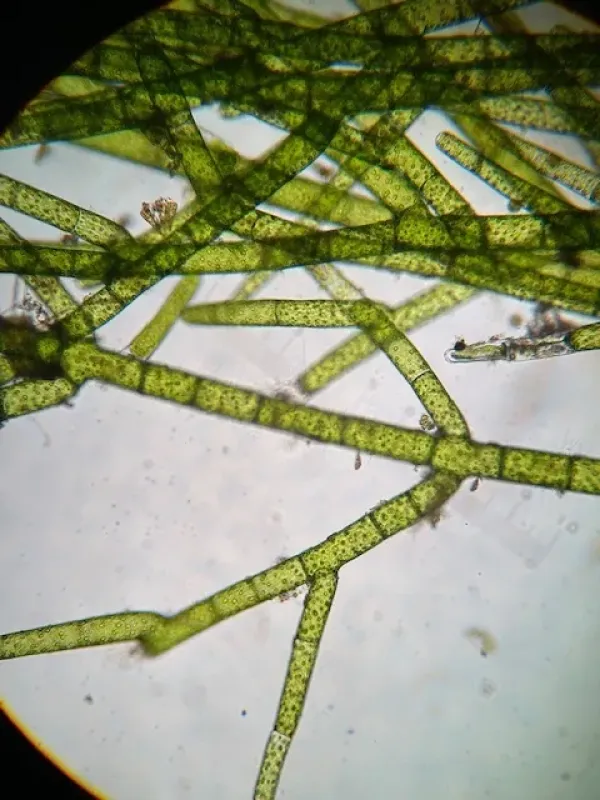
Acrosiphonia arcta is a filamentous green alga belonging to the Acrosiphoniaceae family. It is recognized by its dense, bright green tufts composed of tough, branched filaments that thrive in harsh marine environments.
This species is native to cold-water regions, primarily distributed across the Arctic, North Atlantic, and North Pacific oceans. It is a quintessential intertidal organism, adapted to withstand the changing water levels of tidal zones.
The species has strict temperature requirements, preferring environments where the water remains cool throughout the growth cycle. It is highly resilient to salinity fluctuations, which is an evolutionary advantage in estuaries and coastal inlets.
Light availability is a critical factor for successful development. Given its preference for shallow rocky shores, it requires consistent exposure to sunlight to support rapid photosynthesis and cell wall expansion.
Cultivation attempts focus on recreating its natural rocky habitat. Substrate choice is essential, as the algae must securely attach its holdfasts to surfaces to survive high wave energy and strong currents.
Yield
The yield of Acrosiphonia arcta in an aquaculture setting is determined by water quality and nutrient availability. Optimal nitrogen and phosphorus levels stimulate vigorous filament growth.
Seasonal patterns dictate the timing of maximum biomass. Growth typically accelerates in the late spring, as rising light levels and lengthening days stimulate the plant's metabolic activity.
The industrial application of this algae includes its use in the production of functional hydrocolloids. These substances are increasingly valuable for food science and the cosmetic industry.
Potential yields are influenced by the density of cultivation ropes or nets. Proper spacing ensures that all parts of the colony receive sufficient light, preventing localized die-off.
Sustainable harvesting practices ensure that a portion of the population remains to facilitate regeneration. This allows for long-term commercial exploitation of coastal areas.
Main diseases and pests
The most significant threat to this species is the rising temperature of seawater due to climate change. As a cold-adapted organism, it struggles to survive in warmer water conditions.
Pathogenic organisms, including various marine fungi, present a major disease risk. Infections can quickly spread through a colony, turning filaments brittle and eventually causing them to detach.
Competition from other macroalgae is a constant concern. Faster-growing species often overgrow the Acrosiphonia, blocking the light required for its growth and survival in the tidal zone.
Water pollution, particularly the presence of industrial chemicals, interferes with the algae's ability to absorb nutrients. This stress weakens the population, making it susceptible to further environmental impacts.
Grazers such as isopods and certain types of snails feed on the filaments. High populations of these invertebrates can drastically reduce the commercial yield if left unmanaged.
Harvesting
Harvesting techniques involve the use of mechanical harvesters that carefully strip the algae from the substrates. This process is timed with the peak of the biomass cycle to maximize efficiency.
Post-harvest handling is critical to preserve the quality of the material. The algae must be washed immediately to remove debris, sand, and accidental bycatch of other organisms.
Drying is the primary method of preservation. It is performed in a controlled environment to ensure that the moisture content is reduced without degrading the organic compounds within the filaments.
Storage must be in cool, dry, and dark conditions. This prevents the growth of unwanted mold and keeps the algal matter stable for downstream chemical or food processing.
Final logistics focus on ensuring the dry biomass is transported in sealed containers, protecting it from humidity and contamination until it reaches the processing facility.