
Acrosiphonia spinescens
Acrosiphonia spinescens
Description
Growing requirements
Acrosiphonia spinescens is a green marine alga belonging to the Acrosiphoniaceae family. It is a vital component of cold-water marine environments, thriving in temperate and polar regions.
The alga grows primarily on rocky substrates along the coastline. It requires consistent water circulation and high salinity levels to maintain its physiological health and metabolic activity.
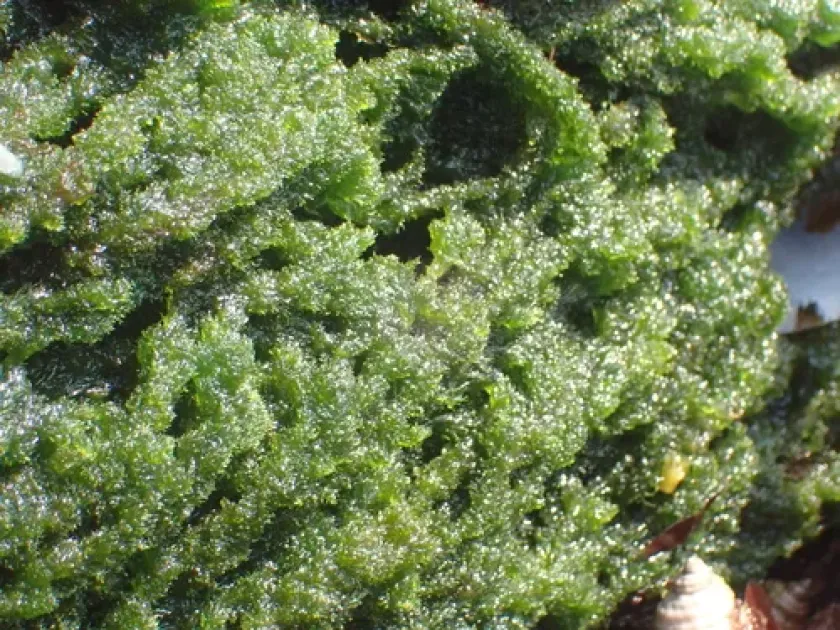
Botanically, it features a filamentous body with characteristic spine-like branches, forming dense mats that serve as a habitat for small marine organisms. Its growth is largely light-dependent, peaking in spring and summer.
Environmental conditions such as temperature stability are crucial for the development of this species. Rapid changes in water temperature can lead to physiological stress and reduced growth rates for the entire population.
In terms of agricultural use, this alga is valued for its rich mineral profile, making it a sustainable source for organic plant growth stimulants and bio-fertilizers aimed at enhancing soil fertility.
Main diseases and pests
The main threats to Acrosiphonia spinescens include coastal water pollution and eutrophication caused by agricultural runoff. Excessive nutrient levels favor the growth of invasive species that compete for resources.
Climate change poses a significant risk as shifting ocean temperatures disrupt the natural phenology of the algae. Warmer waters can lead to increased susceptibility to disease and parasite infestation.
Pathogenic microorganisms, including certain strains of bacteria and fungi, can compromise the cell wall integrity of the thallus, leading to rapid tissue decay and localized population decline.
Grazers such as marine invertebrates and small crustaceans can cause significant damage if their populations explode, grazing down entire beds of algae and preventing effective reproduction.
Habitat destruction resulting from industrial coastal development and shipping activities remains a constant pressure, potentially fragmenting the distribution areas of this resilient but sensitive alga.
Harvesting
Harvesting the algae is primarily conducted during low tide using sustainable manual techniques. Harvesters ensure that enough biomass remains to allow the colonies to regenerate effectively during the next growth season.
Immediate post-harvest processing is necessary to remove impurities like sand and epiphytes. Quality control at this stage is essential to ensure the final product meets agricultural standards for purity.
The biomass is then dried in shaded, well-ventilated areas to protect its bioactive compounds. Avoiding direct exposure to intense ultraviolet light is critical to preserve the mineral and enzymatic potency.
Storage requires low-moisture environments, as the dried algae is highly hygroscopic and susceptible to fermentation if exposed to humidity, which would render it useless for commercial applications.
Logistical considerations involve using breathable packaging for transportation, ensuring that the fragile filaments are not crushed while maintaining optimal air circulation to prevent spoilage during transit.